

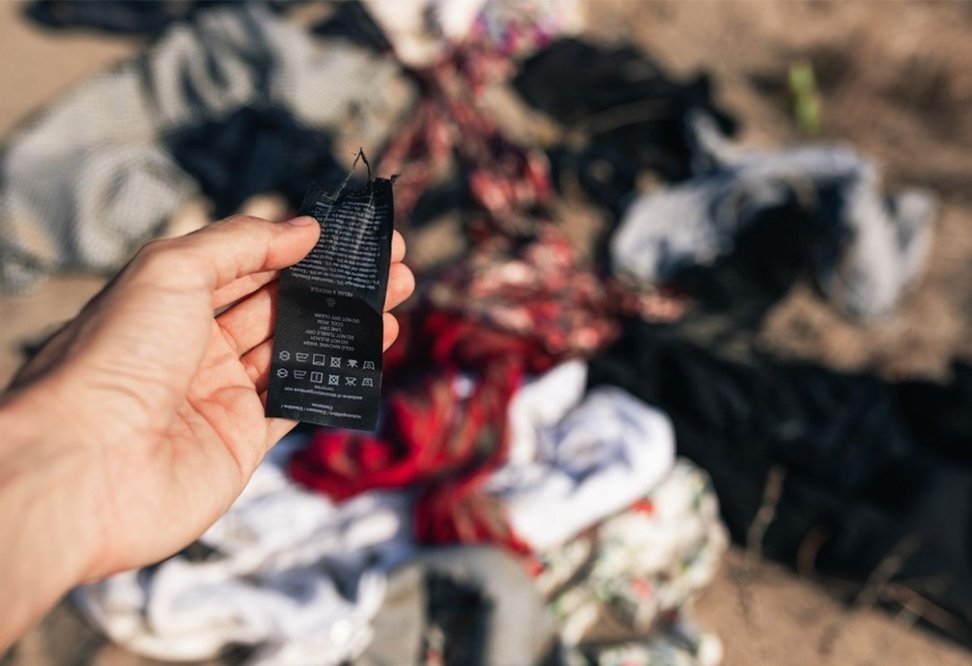
New circularity rules are pushing brands, recyclers and fiber producers to build the systems needed for textile-to-textile recycling at scale.
Major fashion brands and recycling companies are accelerating textile-waste initiatives as regulation turns circularity from a voluntary sustainability claim into an operational requirement. Textile Today reports that companies including Zara, H&M, Primark and Uniqlo are expanding recycling and take-back activity as new rules increase pressure on brands to manage post-consumer textile waste.
Regulation is changing the economics
The European Union’s revised Waste Framework Directive has made textile waste a boardroom issue. The European Commission says the new rules require separately collected textiles to be sorted before potential shipment, reducing the risk that waste is exported under the label of reuse.
The EU’s wider textiles strategy also aims to introduce harmonised Extended Producer Responsibility rules, encourage more durable and recyclable product design, restrict textile-waste exports and introduce Digital Product Passports.
For brands, this means waste handling is becoming a cost, data and compliance obligation, not simply a reputational issue.
Partnerships move upstream
The most important shift is happening between recyclers and fiber producers. Birla Cellulose and Circ announced a long-term partnership in October 2024 under which Birla Cellulose would purchase at least 5,000 metric tons of Circ recycled pulp per year for five years from Circ’s first commercial-scale facility. The pulp is intended for conversion into lyocell staple fiber.
Such agreements matter because recyclers need predictable offtake before investing in commercial capacity, while brands need reliable recycled-fiber supply before they can scale circular collections.
Sorting is the real bottleneck
Textile-to-textile recycling still faces a difficult industrial problem: mixed fibers, trims, dyes, finishes and contamination make consistent recycling technically demanding. Mechanical recycling works best for relatively clean cotton streams, while chemical recycling remains more promising for polyester, cellulosics and blended materials but needs scale, feedstock consistency and capital.
The next competitive advantage will therefore sit in collection, sorting, traceability and fiber identification—not only in recycling chemistry.
For exporters in Pakistan, Bangladesh, India and Türkiye, the signal is clear: buyers will increasingly ask not only for recycled content, but for proof of origin, waste stream, processing route and compliance. The winners will be suppliers that treat textile waste as a managed input, not an afterthought.
