

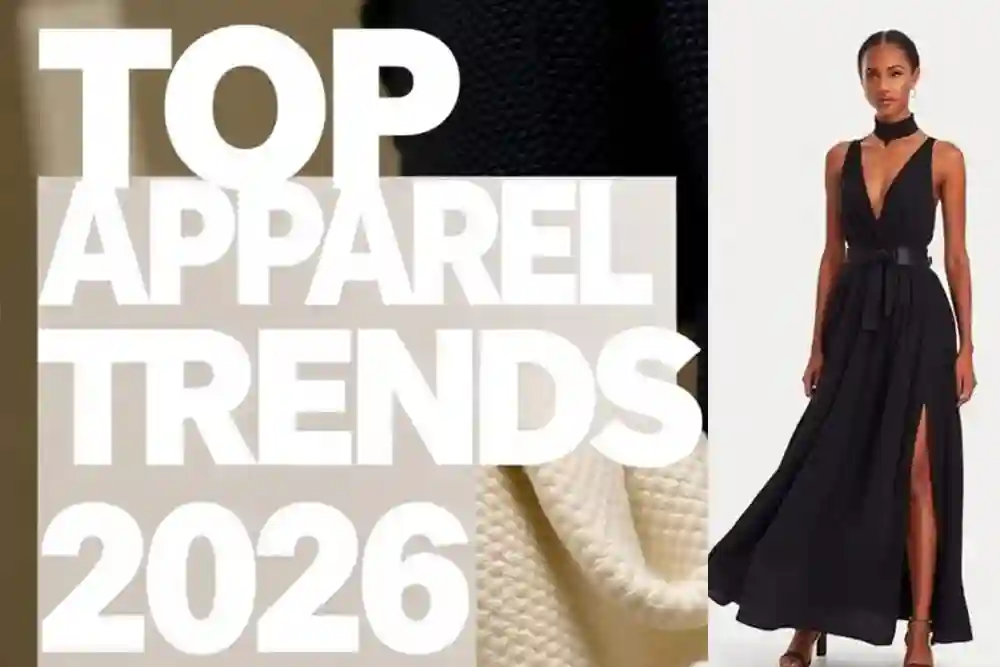
In 2026, top apparel is no longer chasing retail trends—it is mirroring them with intent. The category has matured beyond one-hit silhouettes and logo-first thinking toward materials, texture, fit, and color stories that signal value, longevity, and brand credibility. What makes a piece feel current today is not novelty, but how it is made and why it feels premium.
Below is a concise, decision-oriented breakdown of the defining promo apparel trends shaping 2026.
- Color: Elevated Neutrals + Strategic Boldness
Neutrals still dominate—but they are deeper, warmer, and more nuanced.
What’s leading
- Earth-driven neutrals: mink, dark brown, stone, sage, matcha, olive, maroon
- Soft sorbet tones: pale yellow, powder blue, peach, icy blue
- Select jewel accents: cobalt, Kelly green, plum, fuchsia
Why it matters
- These palettes are gender-neutral, logo-friendly, and retail-aligned
- They support emotional branding without overpowering corporate identity
- Heritage colors are now functioning as new neutrals
The result: color that feels intentional, not safe.
- Fabric & Texture: Tactility as a Signal of Quality
Texture has become the new shorthand for value.
Key directions
- Garment-dyed, mineral-washed, stonewashed finishes
- Ribbed collars, cuffs, waffle knits, brushed fleece
- Performance fabrics with cooling, stretch, and moisture control
- Premium blends (modal, rayon, spandex) over basic cotton
Why it matters
- Heavier hand + visible texture = perceived durability
- Comfort is now non-negotiable: if it isn’t wearable, it won’t be worn
- Subtle texture enhances embellishment without competing with logos
Texture now does what branding used to do: justify the garment’s worth.
- Fits & Silhouettes: Relaxed, Refined, Retail-Forward
Fit evolution—especially in women’s styles—is one of the clearest shifts.
Women’s apparel
- Relaxed but sculpted silhouettes
- Funnel necks, mock necks, cropped boxy fits
- Thoughtful proportions (drop tails, thumbholes, sleeve length)
- Designed first, not adapted from men’s styles
Men’s & unisex
- Shorter tees, boxier cuts, heavier weights
- Athletic fits with cleaner lines
- ’90s/Y2K influence without excess
Why it matters
- Buyers now expect retail-level tailoring
- Promo apparel must flatter decision-makers, not just recipients
- Women’s product is no longer optional—it’s strategic
- Retro, Reinterpreted (Not Costumed)
Nostalgia is present—but refined.
What’s resurfacing
- Varsity stripes, raglan sleeves, rib trims
- Letterman, bomber, and heritage jackets
- Preppy college aesthetics with modern palettes
What’s different
- Cleaner color blocking
- Premium construction
- Modern fabrics and fits
Retro works because it offers story + surface area—ideal for meaningful branding without feeling promotional.
- The Strategic Shift: From Giveaway to Brand Asset
The defining change in 2026 is philosophical:
- Promo apparel is judged by cost-per-wear, not unit cost
- Design intent matters as much as decoration
- Apparel must earn its place in someone’s wardrobe
Brands are using promo clothing to signal taste, restraint, and confidence—what many describe as quiet luxury with logo space.
Bottom Line
Promo apparel in 2026 succeeds when it feels retail-first, tactile, and intentional.
The winners are not louder—but better made, better colored, and better fitted.
For distributors and suppliers alike, the message is clear: Elevation is no longer a differentiator. It is the baseline.

