

Innovations in the name of a better tomorrow
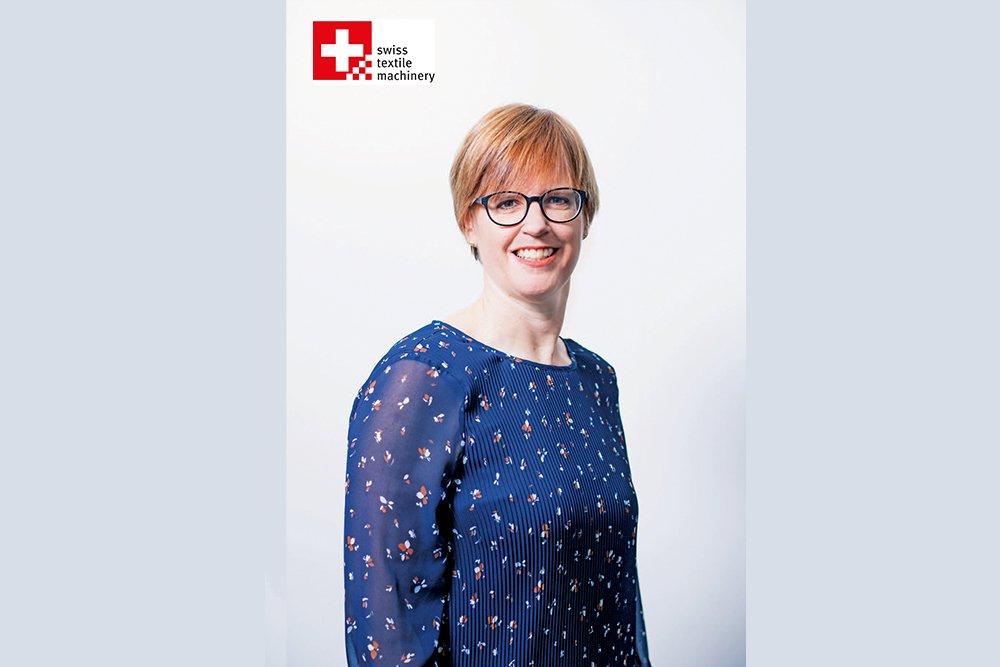
Responsible companies today ensure their strategies are future-proofed, in both economic and ecological aspects, to drive long-term prosperity for themselves and their customers. Members of the Swiss Textile Machinery Association have a strong reputation globally as reliable partners focused on these principles over many years. Here, the association’s Secretary General, Cornelia Buchwalder explains what sustainability means for Swiss firms and their innovative developments.
TEXtalks: Members of Swiss Textile Machinery Association are well known for their innovation power. Looking at the association’s latest products and solutions, what do you observe?
Cornelia Buchwalder: The expectation of what is regarded as an innovation today has changed – and become much more complex. In the past, our innovations were technological ones, aiming at better, faster and more profitable production. Now, we all have some new benchmarks for innovation, in which the needs and demands of end-users define what we must offer, based on society’s comprehensive understanding of a better tomorrow.
TEXtalks: Please elaborate on the demands pushing innovations from textile machinery manufacturers and solution providers today?
Cornelia Buchwalder: Our new benchmarks are based on three pillars that are interconnected and interdependent. They take us beyond the obvious needs for careful use of resources and technological excellence.
We must be creative, with an in-depth understanding of what textile producers and the end-users see as their priorities.
TEXtalks: The three sustainability pillars you mention are economy, ecology and social. What do they mean for the textile industry?
Cornelia Buchwalder: As machine manufacturers and service providers, we have it in our hands to make the textile ‘world’ a better one, by innovative support of long-term economic growth which does not negatively impact social and environmental aspects. Economic sustainability is crucial because it ensures that resources are managed efficiently and responsibly to build long-term economic health. This means creating and maintaining jobs, generating income, fostering innovative textile products, and ensuring that ongoing economic activities will not in future deplete the natural and social resources they depend on. Implementing these conditions for producers demands more from our innovations. For example, our development efforts should support environmentally and socially sustainable business practices and efficient use of resources.
TEXtalks: So, is the economic pillar the most important?
Cornelia Buchwalder: Only for innovations! Our Swiss member companies take sustainability seriously, so we must follow the environmental and social requirements of the industry and community. The health of our environment is elemental in this. Ecological sustainability means maintaining earth’s capacity to support life and human activities.
Companies must also be committed to maintaining and improving the well-being of current and future generations by promoting social equity, justice, and inclusiveness.
TEXtalks: Being a sustainable company goes beyond being a sustainable provider. How far?
Cornelia Buchwalder: Larger companies, and increasingly SMEs, are obliged to publish a non-financial report, with information about their environmental impact, as well as their organizational culture. Non-financial reporting is a form of business transparency. It covers details such as energy sources and usage, fair labour practices, health and safety, diversity, empowerment, community engagement, volunteering etc.
TEXtalks: What is the key to success in this new era of sustainability?
Cornelia Buchwalder: All companies – not only our members – need to master the complex challenges of sustainable development by considering economic, environmental, and social dimensions together. Following the three pillars of sustainability is essential, because they provide a comprehensive framework for understanding how industries – and societies – can work towards a more balanced, resilient, and equitable future.

