

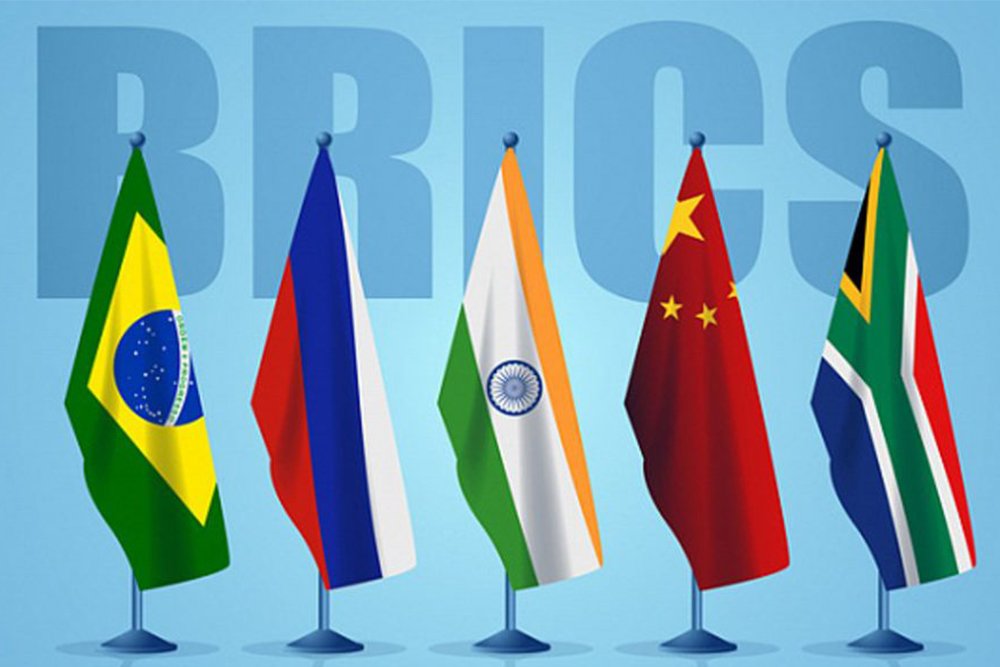
The BRICS nations—Brazil, Russia, India, China, and South Africa—are facing increasing challenges in balancing geopolitical tensions with the pursuit of trade growth, according to recent reports. While the bloc has made significant strides in strengthening economic ties and expanding intra-BRICS trade, experts are concerned that rising geopolitical issues could overshadow future growth prospects.
Trade between BRICS countries has been on an upward trajectory in recent years, but geopolitical developments such as the Russia-Ukraine war, ongoing trade tensions between China and the United States, and differing political and economic interests among BRICS members are creating uncertainty.
These challenges are particularly evident in sectors like textiles, where global supply chains are being increasingly influenced by regional and international political dynamics.
In particular, the ongoing sanctions on Russia, trade barriers, and supply chain disruptions are adding complexities to the smooth flow of goods within BRICS countries.
Although the bloc has collectively sought to promote a more balanced and multipolar global economic order, these geopolitical tensions are raising concerns about their ability to maintain robust trade relations.
Despite the challenges, BRICS nations remain committed to improving cooperation.
Recent initiatives aimed at boosting trade within the bloc—such as the push for using local currencies in transactions and deepening investment in key industries like textiles, agriculture, and manufacturing—demonstrate the group’s resilience and determination to enhance mutual trade ties.
However, experts warn that without addressing underlying geopolitical frictions, the potential for greater economic cooperation within BRICS could be limited. As the global economic landscape continues to evolve, the group faces a delicate balancing act between expanding trade and managing the geopolitical realities that impact each member’s strategic priorities.
In this context, BRICS’ future trade growth will largely depend on how well it can navigate these geopolitical challenges while fostering deeper economic collaboration among its diverse member countries.
