

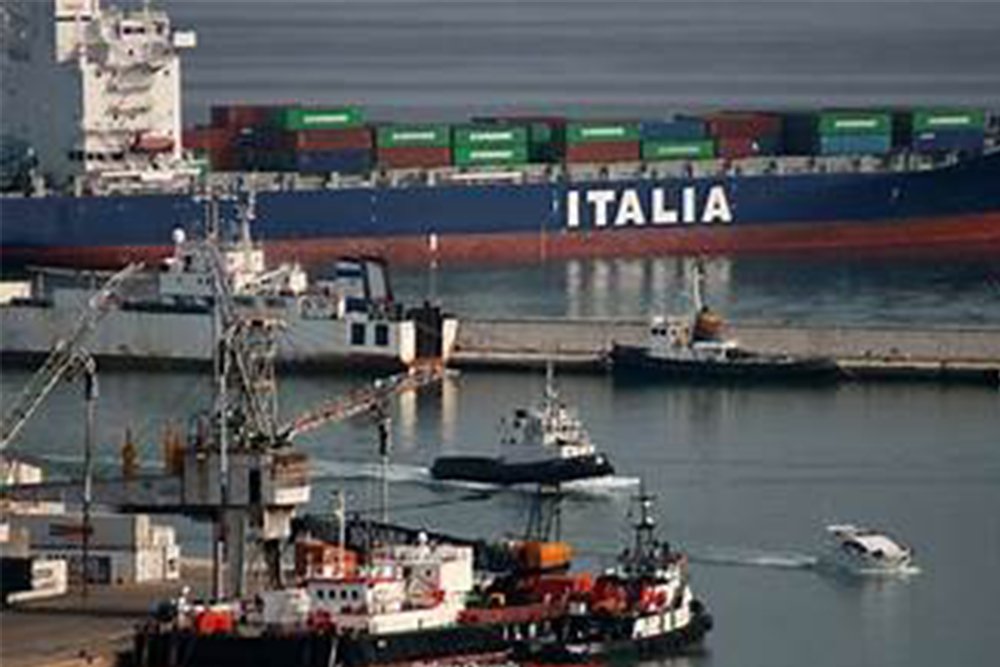
Italy’s exports to non-EU countries experienced a decline in October 2024, with a 3.5% month-on-month (MoM) decrease and a 1.1% year-on-year (YoY) drop, according to the latest trade data. The slowdown in exports to countries outside the European Union reflects broader global economic challenges, including fluctuating demand, supply chain disruptions, and geopolitical tensions.
The decline in exports to non-EU countries comes at a time when Italy, a leading exporter of textiles, fashion, machinery, and luxury goods, faces mounting external pressures. Despite these setbacks, the overall performance of Italy’s export sector remains relatively resilient, with exports to other EU nations continuing to grow, offering some relief amidst the broader slowdown in trade.
Italian manufacturers, particularly in the textile and fashion industries, are facing challenges such as higher production costs, competition from lower-cost markets, and changing consumer behavior. The rising costs of raw materials, energy, and transportation have also added pressure on exporters, while global market uncertainties continue to dampen international demand, particularly in key markets like the US and China.
Nevertheless, Italy’s trade relationships with non-EU countries remain vital, and experts suggest that the country’s export performance will continue to benefit from efforts to diversify markets and explore new trade agreements. The Italian government has also been focusing on enhancing digital trade and bolstering the international competitiveness of Italian products through innovation and sustainability.
While October’s drop is a concerning sign, the outlook for Italy’s non-EU trade will largely depend on the resolution of global economic issues and the ability of Italian companies to adapt to evolving market conditions, including shifts towards more sustainable and high-tech production methods.
As Italy’s export sector adjusts to these challenges, the country’s long-term trade strategy will likely focus on expanding its presence in emerging markets and reinforcing its position in high-value sectors such as textiles, luxury fashion, and automotive.
