

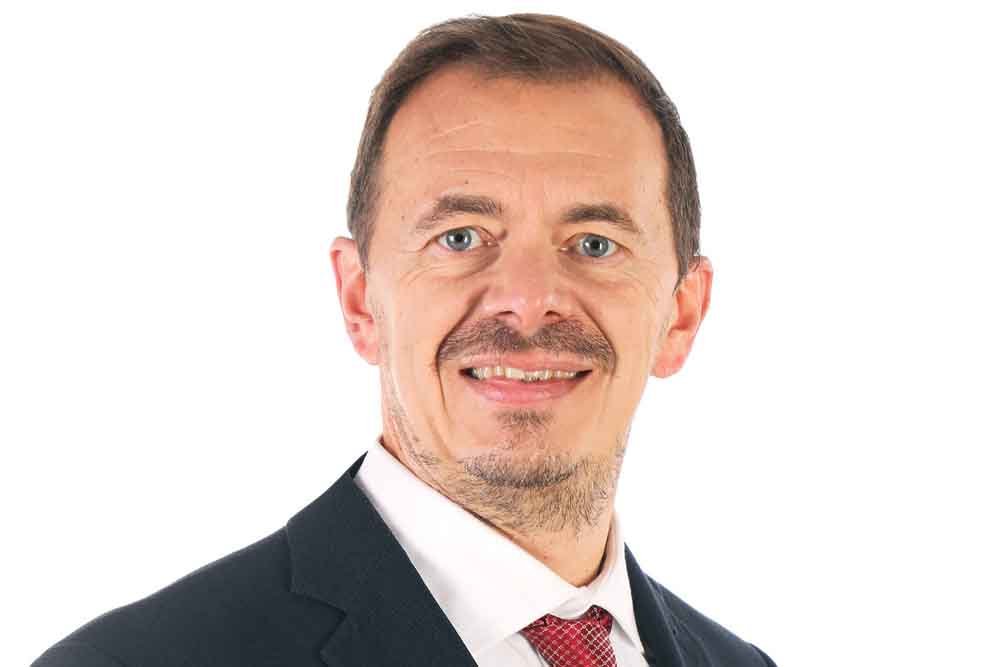
In this exclusive interview, TEXtalks speaks with Davide Maccabruni, President of the Swiss Textile Machinery Association (Swissmem), as the organization marks its 85th anniversary since its founding in 1940. Representing a group of 42 leading companies, the association is a cornerstone of innovation and precision in the global textile machinery industry. Maccabruni discusses the current state of the market, the post-COVID rebound and its challenges, and the strategic vision needed to maintain Switzerland’s leadership in an evolving global landscape. He also shares insights into upcoming opportunities around sustainability and digitalization, and what to expect from Swiss participation at ITMA ASIA + CITME 2025 in Singapore.
TEXtalks: When was the Swiss Textile Machinery Association established, and how many member companies are there as of now?
Davide Maccabruni: Our association was founded in 1940 and therefore this year we are celebrating our 85th anniversary. We currently count 42 member Companies.
TEXtalks: How have the sales of Swiss Textile Technology been globally in the last few years and the current fiscal year?
Davide Maccabruni: After the COVID phase, we have seen a huge demand and a peak in sales, dampened only by the supply chain crisis. In the last two years, this sort of ‘rebound’ in demand has been reabsorbed. Currently we are experience a low phase of the textile cycle, which is also driven by the many geopolitical challenges.
TEXtalks: Switzerland has long been a leader in textile machinery, how do you envision maintaining that leadership in a changing global market?
Davide Maccabruni: In order to maintain our leadership position, we need to stay true to our universal and timeless values of quality and innovation. But at the same time, we need to evolve together with our environment and adapt to the changed conditions around us. So far, we have been able to do this and we have shown a very good resilience in this sense.
TEXtalks: What are some of the biggest challenges for the Swiss and European textile machinery industry today, and opportunities in the coming years?
Davide Maccabruni: Most of the current and upcoming challenges are given by the uncertain situation at international level and the necessity to rationalize the existing overcapacity in nearly all segments of the textile value chain. Further challenges, but also huge opportunities, are given by the upcoming regulations regarding sustainability and recycling, as well as the necessity to better connect the existing data points along the value chain to provide added value to its actors.
TEXtalks: How many companies will be participating in the upcoming ITMA ASIA + CITME 2025 Singapore, and what are your expectations?
Davide Maccabruni: So far, 29 Companies from Switzerland have registered to the exhibition – 70% of all our members! This shows the importance of this event and the expectations coming with it. This will be a very good occasion to benchmark our position with that of fast-growing Countries such as China and India.
