

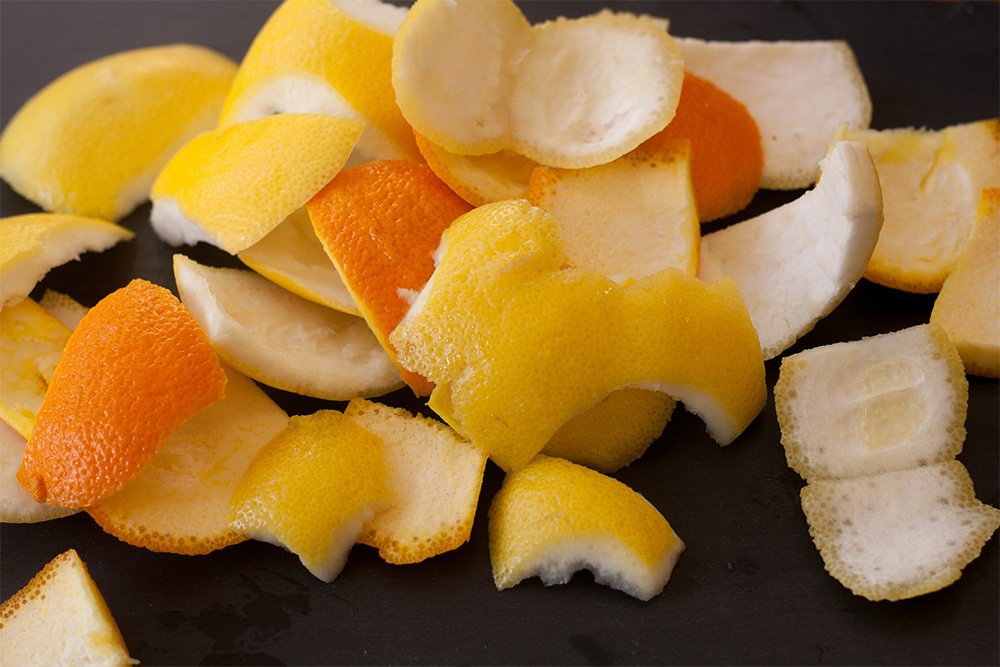
Agricultural byproducts are being recast as functional fibres, pointing to new routes for circular materials.
Researchers have demonstrated a method to convert discarded lemon peels into textile-ready materials, combining fungal chitosan with micro-nano fibrillated cellulose. The approach offers a dual dividend: reducing food-industry waste while expanding the palette of sustainable fibres available to textile manufacturers.
Lemon peels—typically treated as low-value waste in juice and food processing—serve as the primary raw material. From this biomass, scientists extract micro-nano fibrillated cellulose, which is then blended with fungal chitosan, a biopolymer derived from fungi rather than crustaceans. The choice of fungal chitosan avoids reliance on marine sources and improves consistency and scalability.
The resulting composite fibres show properties suitable for textile applications, according to the study, demonstrating that agricultural residues can be engineered into functional materials rather than downcycled or discarded. The process integrates waste valorisation with material innovation, addressing two persistent challenges at once: mounting organic waste streams and the textile sector’s dependence on resource-intensive raw materials.
While still at the research stage, the work underscores a broader shift in materials science toward bio-based, circular inputs. If scaled economically, such technologies could help food-processing regions supply next-generation textile feedstocks—turning peels once destined for landfill into fibres fit for fabric.
