

Uzbekistan has formally expressed strong interest in selling 29 operational textile units—producing yarn and fabric—to Pakistani entrepreneurs, alongside a proposal to establish a dedicated Uzbekistan–Pakistan Textile Industrial Zone within Uzbekistan. The initiative is positioned as a strategic move to deepen bilateral industrial cooperation and accelerate value-added textile exports to global markets.
Strategic proposal and incentives
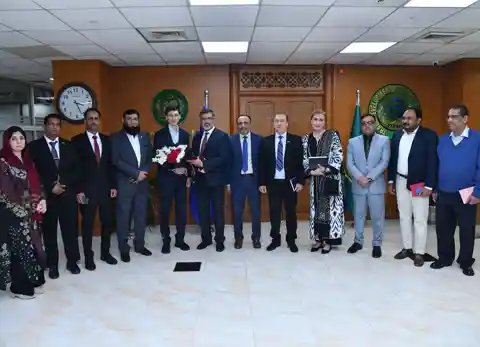
The proposal was presented by Rukhullo Zikrillaev, Deputy Director of Uzbekistan’s Agency for Development of Light Industry, during a high-level meeting with the leadership of Islamabad Chamber of Commerce and Industry (ICCI) at the Chamber House.
To attract Pakistani investors, Uzbekistan outlined a package of investment-friendly incentives, including:
- Acquisition of textile units through five-year installment plans
- Low-interest credit facilities
- Cashback guarantees on investments
- Tax holidays within the proposed textile industrial zone
Zikrillaev also highlighted opportunities for joint ventures, enabling Pakistani and Uzbek firms to combine strengths—using Uzbek fabrics and Pakistani manufacturing expertise—to produce ready-made garments for European and U.S. brands, enhancing value addition and export competitiveness.
Competitive cost and market access
Uzbekistan emphasized its cost advantage, noting electricity tariffs as low as US 8 cents per unit, a critical factor for energy-intensive textile operations. The country also offers favorable market access through:
- GSP Plus status with the European Union
- Free Trade Agreements with CIS countries
Additionally, cooperation with Pakistani textile sourcing companies was proposed, including up to 5% cashback on export values originating from Uzbekistan, further strengthening commercial incentives.
Pakistani business community response
Sardar Tahir Mehmood, President of ICCI, stated that Pakistan and Uzbekistan recognize their vast untapped potential across textiles, trade, transportation, energy, tourism, and regional connectivity. He expressed confidence that the engagement would translate goodwill into tangible economic outcomes.
Senior Vice President Tahir Ayub underscored the cordial bilateral relationship and the need to explore new cooperation avenues, while ICCI economic advisor Naeem Siddiqui described the Uzbek incentives as highly attractive and commercially significant for Pakistani investors.
The meeting was attended by ICCI office-bearers, executive members, and representatives from the Uzbekistan Trade Center and Uzbekistan & CIS Trade Center, signaling institutional support on both sides.
Strategic significance
The proposal marks a potential shift in regional textile investment flows, positioning Uzbekistan as a manufacturing base for Pakistani-led ventures targeting Western markets. If implemented, the initiative could:
- Enable Pakistani firms to internationalize production
- Strengthen Central Asia–South Asia textile integration
- Support export diversification and value-chain resilience for both countries
The discussions signal growing momentum toward structured, long-term textile collaboration between Pakistan and Uzbekistan.
