

Brands that keep denim “rare” and visually unpolished may win Gen Z’s attention as online shopping turns monotonous.
Denim loves the past: most fits and washes are riffs on flea-market finds and old workwear. Yet at Bluezone in Munich, Tilmann Wröbel of the denim consultancy Monsieur-T argued that nostalgia is becoming a trap—both culturally and commercially.
Wröbel’s provocation is simple: stop pretending denim peaked decades ago. He claims the product is “far better today” than 50 years ago, and that the opportunity now is less about endlessly re-issuing vintage, and more about refreshing denim’s meaning—through new aesthetics (including digitally printed finishes and sport-inspired silhouettes) and, crucially, new retail psychology.
He sees younger consumers shifting away from the “democratic fashion” mindset of the social-media era. Exclusivity—limited drops, in-store-only pieces—has become social currency, partly because endless e-commerce has killed romance. Consumers want the “thrill of the search”, he says; brands should resist making purchases frictionless.
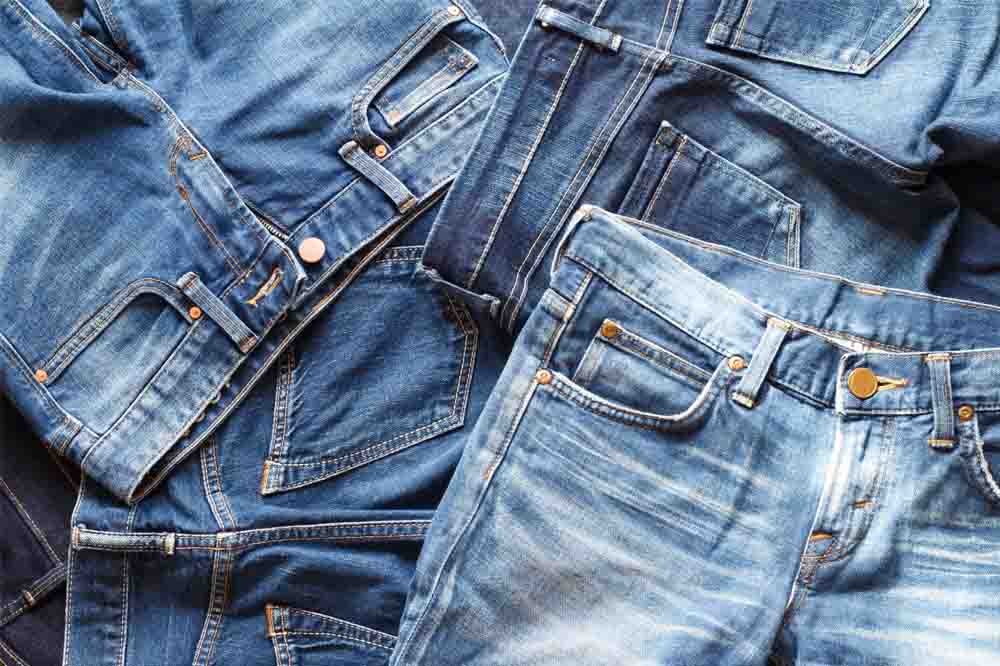
At the same time, AI-smoothed perfection is losing credibility. Wröbel urges denim to embrace what it naturally does best: irregular textures, imperfect light, rawer imagery, visible repair—signals of reality rather than retouching. He cites Willy Chavarria’s more unvarnished campaign mood as a template.
For denim businesses, the playbook is emerging: design for “earned” acquisition, market the material’s flaws as features, and build product stories that feel lived—not rendered.
