

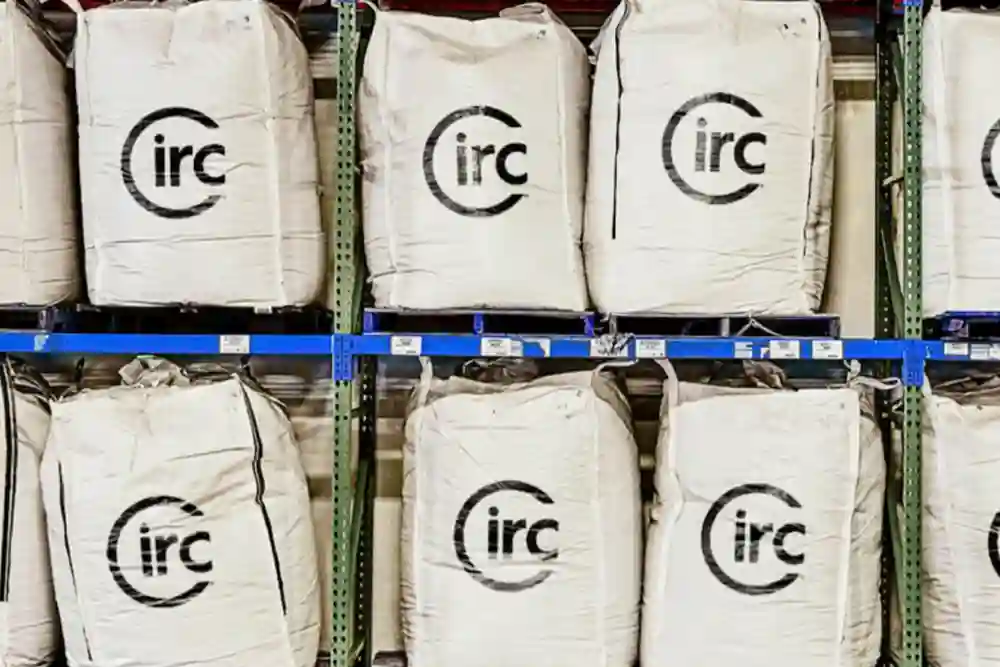
By partnering with Xinxiang Bailu, Circ is shifting from proving its chemistry to proving that recycled pulp can run through Asia’s fibre system at industrial scale.
Textile-to-textile recycling only matters if it can plug into the factories that already make the world’s fibres. Circ’s new partnership with China’s Xinxiang Bailu Chemical Fiber does precisely that, linking a recycling start-up’s technology to one of the world’s largest viscose filament producers.
Circ, the U.S. recycler backed by Inditex, has signed an agreement with Xinxiang Bailu to produce viscose filament in China using Circ’s recycled pulp. Circ’s process separates polyester and cellulose from blended polycotton waste and converts them into raw materials suitable for new fibre production. Under the deal, Bailu will manufacture recycled-content viscose filament and act as Circ’s commercial partner in China.
This is significant because circular fibres do not scale through start-ups alone. They scale when established fibre makers adopt them. China remains the world’s largest textile production hub, so placing recycled pulp inside its viscose system gives Circ a route to the market that is both faster and more credible than building demand from scratch. The partnership also validates Circ’s pulp as an industrial input, not merely a pilot-stage output.
Circ is building a broader industrial network as it advances its first planned plant in France. The real test now is execution: whether recycled pulp can move through China’s viscose infrastructure at consistent quality, competitive cost and meaningful volume. If it can, circular fibres edge closer to becoming part of fashion’s mainstream supply chain.
