

The sector’s latest appeal shows that, for Pakistan’s largest export industry, working-capital stress has become nearly as important as demand in determining whether mills can keep export orders moving.
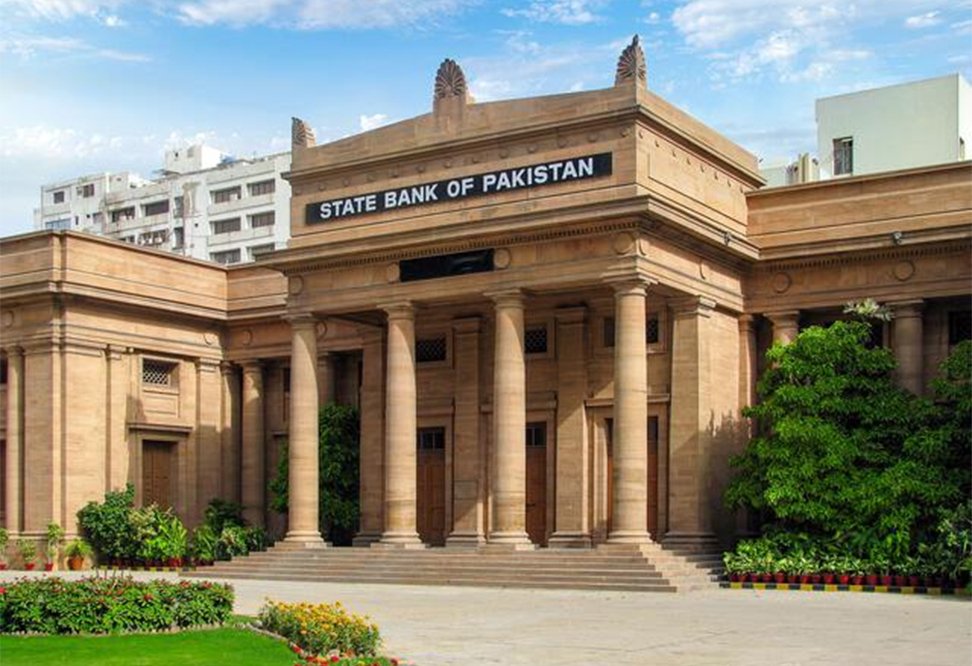
Pakistan’s textile industry has asked the State Bank of Pakistan to expand export refinance facilities, arguing that liquidity pressure is tightening just as exporters face higher energy costs, supply-chain disruption and renewed geopolitical uncertainty. In a letter to the SBP governor, APTMA Chairman Kamran Arshad said textiles still account for about 60% of Pakistan’s exports, contribute 8.5% to GDP and employ close to 40% of the manufacturing workforce, making financing constraints a macroeconomic issue rather than a sectoral complaint.
The immediate request is straightforward: more working-capital support so exporters can fund operations and complete orders on time. Arshad said the sector is under pressure from domestic economic conditions as well as instability linked to the Middle East, which is compounding operating stress for mills already dealing with elevated costs. His argument is that better access to refinance would help the industry preserve export momentum, protect Pakistan’s position in international markets and support broader economic stability.
But the SBP appeal is only one part of a wider industry push. The Pakistan Textile Council has also laid out a much broader support package that goes well beyond central-bank financing. Its proposals include restoring regionally competitive energy tariffs for electricity and gas, bringing back a 1% final tax regime for exporters, cutting corporate tax to 20%, speeding refunds, expanding limits under the Export Finance Scheme and Long-Term Financing Facility, and offering concessional finance for green investment. The council has also called for a 5% Duty Drawback of Local Taxes and Levies, restoration of zero-rating for exporters and a predictable five-year textile policy framework.
The commercial significance is clear. Pakistan’s textile sector is not just asking for temporary relief; it is arguing that without a more competitive financing, tax and energy regime, the country risks losing orders, underutilising capacity and slowing investment at a time when regional competitors remain aggressive. The next question is whether policymakers treat refinance expansion as a short-term liquidity tool, or as part of a broader export-competitiveness reset ahead of the 2026–27 budget.
