

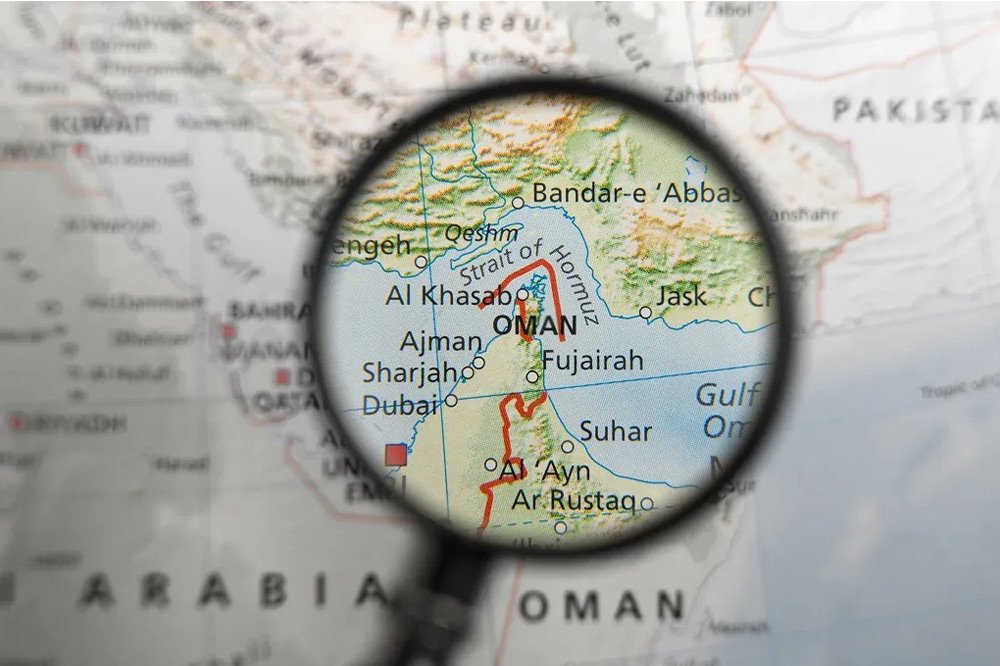
The conflict is hitting South Asian apparel on two fronts at once: synthetic input inflation and growing disruption to export logistics.
The two reports point to the same conclusion. The ongoing war-linked disruption around Iran and the Strait of Hormuz is no longer just an energy story; it is becoming a direct competitiveness shock for South Asia’s textile and apparel supply chain. The Hormuz route carries about a fifth of the world’s oil and LNG, and regional disruption is already pushing up energy and petrochemical costs across Asia.
What is happening: polyester is the first casualty
The immediate pressure is strongest in synthetics. A sharp cost shock moving from crude into the polyester chain, with polyester staple fibre and related petrochemical inputs under strain as Hormuz disruption and force majeure risks ripple through Asia’s supply network. Even public summaries around the same disruption point to higher polyester prices and tighter feedstock availability.
South Asian apparel leaders worry that war-driven uncertainty is already damaging sourcing conditions for the region’s export industry. That concern is credible because the same conflict is also disrupting flights, shipping reliability and industrial input availability across Asia.
Why it matters: margins are being squeezed from both sides
For exporters in Bangladesh, India, Pakistan and Sri Lanka, this is a double squeeze. Polyester-rich product categories face rising raw-material costs, while buyers are unlikely to absorb the full increase in a weak-demand environment. At the same time, delivery reliability is deteriorating as logistics routes and energy markets become more unstable.
What comes next: sourcing decisions will shift
This raises three near-term implications. First, cotton regains relative appeal as polyester loses some of its usual cost advantage. Second, mills with higher dependence on imported synthetics and energy will be more exposed than those with stronger cotton or blended portfolios. Third, brands are likely to scrutinise South Asian sourcing not just on price, but on resilience, lead-time security and fibre-mix flexibility. That is an inference from the cost shock in polyester, the broader Asia energy squeeze, and the sourcing fears cited by industry coverage.
The larger lesson is blunt: South Asia’s apparel model remains highly efficient, but not yet sufficiently shock-proof.
