

The Swedish startup’s significance lies less in the fundraise itself than in its attempt to solve the hardest commercial problem in textile circularity: recycling real-world blended fabrics at industrial scale.
Renasens, a Stockholm-based startup, has raised a €10m seed round led by Extantia, with backing from Course Corrected VC and continued support from Norrsken Launcher. The money will fund its first industrial pilot plant in Borås, Sweden.
What makes it different
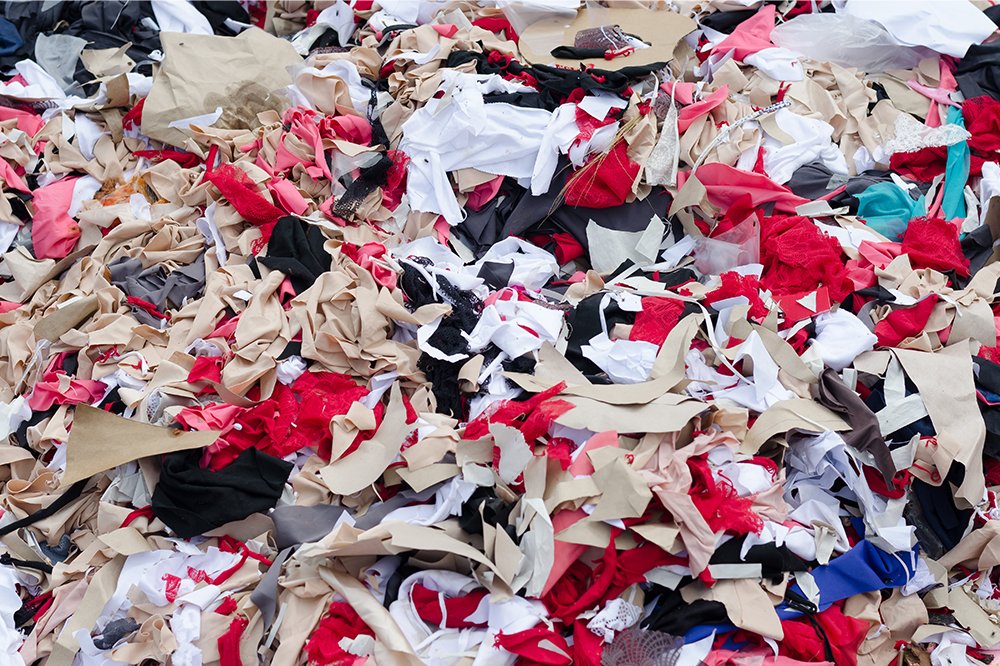
The company is targeting a stubborn bottleneck in textile recycling. Europe produces more than 12m tonnes of textile waste a year, yet less than 1% is recycled back into new fibres, largely because blended and dyed fabrics are difficult to process. Renasens says its patented system uses supercritical CO₂ to separate and recover fibres without breaking them down, while avoiding water and toxic chemicals. Cotton and polyester are recovered intact and can be reused directly in manufacturing.
Why it matters
That is the commercially important claim. Much of textile recycling still works best on clean, mono-material waste streams. The harder prize is mixed post-consumer waste, where economics and technology usually break down. Renasens is arguing that its process can fit into existing industrial infrastructure through a modular setup, rather than relying on large centralised plants. It also says it is already supplying recovered fibres to manufacturers in Portugal and Italy, suggesting early commercial traction.
What comes next
The timing is favourable. Since January 2025, EU countries have had to provide separate textile collection systems, and by June 2027 extended producer responsibility schemes are due to make brands pay more attention to recyclability. If the Borås pilot works at scale, Renasens could become more than a promising recycling startup. It could become part of Europe’s missing circular textile infrastructure.
