

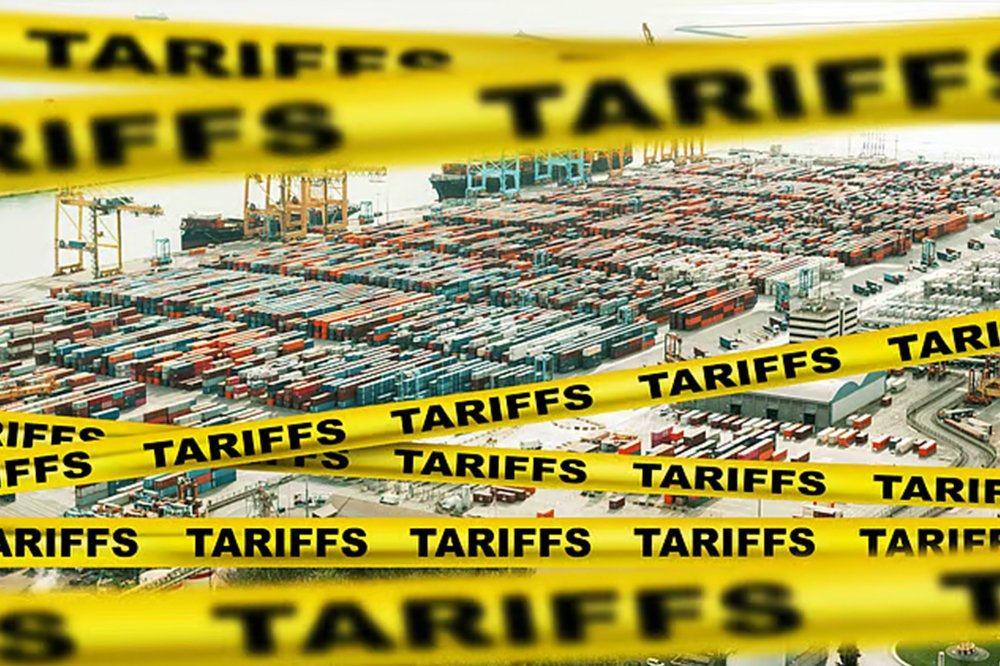
As U.S. duties rise and trade policy becomes less predictable, textile and apparel companies are being forced to treat sourcing geography as a strategic lever rather than a routine procurement decision.
The global textile industry is entering a tougher trade environment. Higher U.S. apparel tariffs are reshaping the economics of sourcing, manufacturing and retail. What was once largely a cost-efficiency exercise has become a resilience test. Mills, brands and retailers must now consider not only labour, lead times and logistics, but also policy risk.
What is changing in the market?
The defining shift is fragmentation. Tariff exposure now differs sharply by country of origin, creating a more uneven competitive landscape. That is pushing order volumes towards suppliers such as Vietnam, Bangladesh and India, while also strengthening the case for nearshoring in Mexico, Central America and parts of Africa. At the same time, higher duties are feeding into import prices, adding pressure to an industry already dealing with elevated fibre and input costs.
Why does it matter for textile businesses?
For mills and manufacturers, policy volatility is making demand planning more unstable. For sourcing teams, origin selection has become both more complicated and more consequential. For brands and retailers, the result is margin pressure: they must either absorb higher landed costs, raise prices, or find savings elsewhere in the chain.
What comes next?
The likely winners will be those that diversify sourcing, understand tariff engineering, assess nearshore options seriously and build pricing models that can withstand policy shocks. In textiles, trade policy is no longer a background variable. It is becoming a central determinant of competitiveness.
