

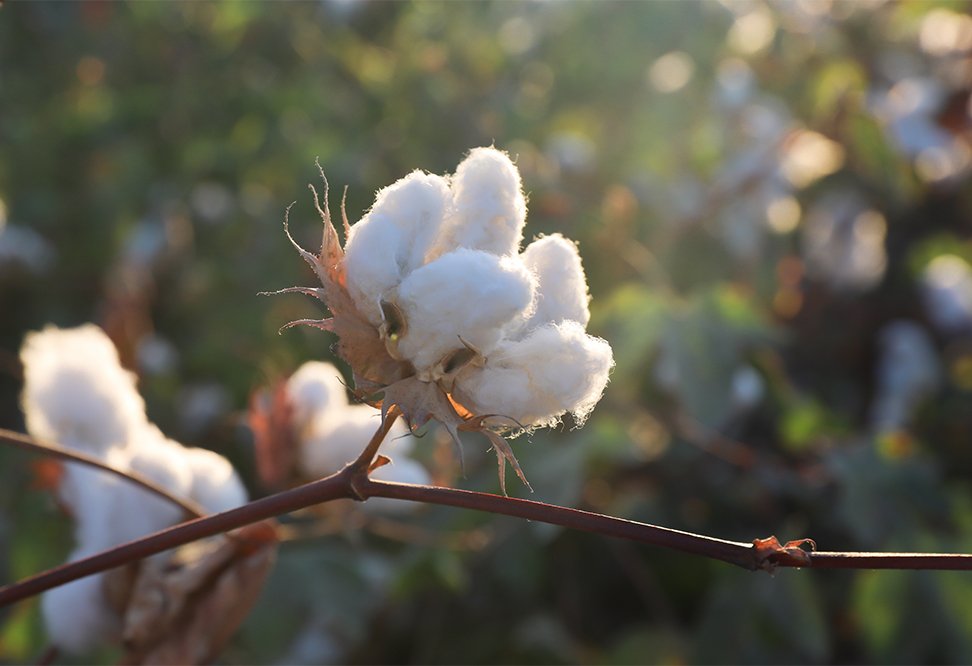
APTMA says slow implementation of approved cotton-sector reforms risks deepening Pakistan’s dependence on imported fibre just as the new sowing season begins.
Pakistan’s textile industry has urged the federal government to accelerate a cotton revival plan, warning that further delay could force mills into another round of large-scale cotton imports and increase pressure on foreign exchange reserves. In a letter to Food Security Minister Rana Tanveer Hussain, APTMA Chairman Kamran Arshad said failure to act before the sowing season could prolong the decline in domestic cotton output and push import requirements into “billions of dollars.”
Cotton supply becomes an export risk
Cotton remains central to Pakistan’s textile value chain, linking farmers, ginners, spinners, fabric mills and apparel exporters. The Board of Investment describes textiles as 46% of the country’s manufacturing sector and a source of employment for around 40% of the labour force; it also lists Pakistan as the world’s fourth-largest cotton producer and third-largest cotton consumer.
That scale makes falling cotton availability a macroeconomic issue, not only an agricultural one. Textile exports are Pakistan’s largest industrial foreign-exchange earner, and higher cotton imports can weaken the external account at a time when the country remains under a 37-month IMF Extended Fund Facility of about $7 billion approved in September 2024.
Reform framework awaits execution
The revival framework was approved in 2025 by the Cabinet Committee on Essential/Cash Crops chaired by Deputy Prime Minister Ishaq Dar. The package includes restructuring the Pakistan Central Cotton Committee into a Pakistan Cotton Advisory Council, introducing stronger industry-led governance, routing cotton cess collection through the Federal Board of Revenue, and allocating 70% of collected funds to cotton research and development.
APTMA argues that these reforms are needed to reverse institutional weakness, poor research coordination and declining yields. USDA reporting has also pointed to Pakistan’s fragile production base, forecasting cotton output at 5.05 million 480-lb bales for 2026/27, about 3% lower than the 2025/26 season.
The immediate test is implementation speed. If governance reform, research funding and seed-sector coordination remain stuck during sowing, Pakistan’s mills may again solve a domestic production failure through imports—protecting short-term spinning operations while adding another burden to the country’s external financing position.
