

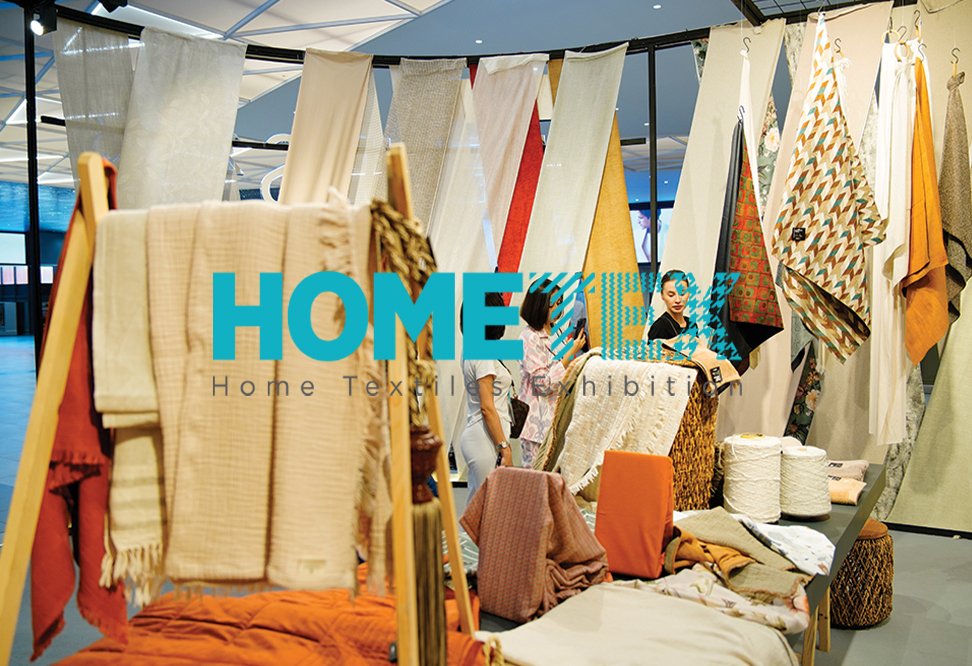
The country’s home textile strength now rests on scale, design capability and export reach, with HOMETEX serving as a platform for deeper global buyer engagement.
Türkiye is reinforcing its position as one of the world’s leading home textile exporters, ranking fifth globally and first in Europe, according to Trade Minister Ömer Bolat. Speaking at the opening of HOMETEX 2026 in Istanbul on May 19, Bolat said the country now holds a 2.6% share of global home textile exports, supported by strong manufacturing capacity, design-led production and diversified market access.
Home textiles remain a strategic export pillar
Türkiye exported US$767 million worth of home textiles in the first four months of 2026, adding to a wider textile and apparel export base that remains central to the country’s industrial economy. Bolat said Türkiye exports textile and apparel products to 211 countries, ranking seventh globally in textile and apparel exports and third within the European market context.
Last year, Türkiye’s textile and apparel exports reached US$31 billion. Of this, textiles contributed US$9.4 billion, ready-to-wear clothing US$18.6 billion, carpets and floor coverings US$2.9 billion, and home textiles US$3.2 billion. The figures underline the breadth of Türkiye’s export structure, from yarns and fabrics to finished apparel, carpets and furnishing products.
HOMETEX strengthens buyer access
Now in its 33rd edition, HOMETEX has become one of the major meeting points for the global home textile industry. This year’s exhibition brings together nearly 600 companies across about 200,000 square metres of exhibition space. Around 250 business representatives from 45 countries are holding meetings with Turkish manufacturers, creating opportunities for new export orders and market diversification.
The next competitiveness test
Türkiye’s advantage lies in its integrated textile ecosystem, skilled workforce, strong design base and proximity to European buyers. But future growth will depend on moving further into value-added segments, including premium bedding, towels, upholstery, curtains, decorative fabrics and sustainable home textile lines.
For Turkish exporters, the next challenge is not only to defend market share, but to raise unit value through design, branding, speed-to-market and product innovation.
