

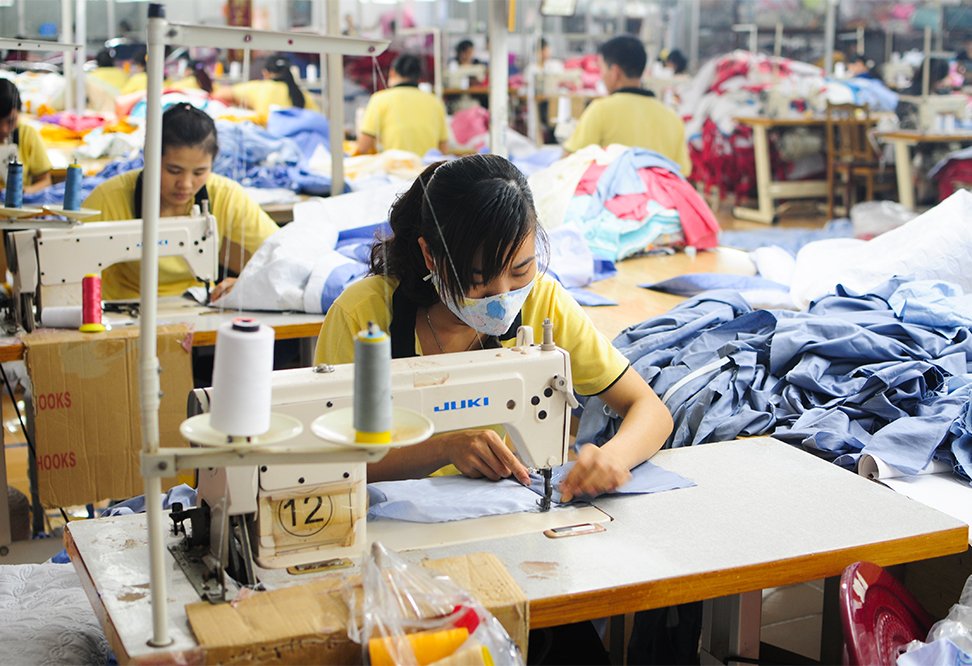
The next U.S. tariff decision could reshape order allocation, costing and compliance strategy across Vietnam’s textile and garment sector.
Vietnam’s textile and apparel industry is approaching a critical tariff deadline as the United States prepares to let its temporary Section 122 import surcharge expire on July 24, 2026. For Vietnamese manufacturers, the issue is not only the rate that may follow, but the uncertainty now entering sourcing negotiations for late-2026 and early-2027 deliveries.
A market too important to ignore
The United States remains Vietnam’s most important apparel market. Textile and garment exports to the U.S. reached $17.8 billion in 2025, up 10.7%, making the sector Vietnam’s third-largest export category to the American market after electronics and machinery.
That exposure makes any tariff change commercially significant. Even a few percentage points can affect FOB pricing, margin sharing, buyer negotiations and order placement between Vietnam, Bangladesh, Cambodia, Indonesia, India, Central America and China.
Section 301 enters the picture
The current concern is the possible transition from temporary Section 122 tariffs to longer-term Section 301 measures. USTR has proposed additional duties linked to forced-labor import-enforcement concerns, with Vietnam among the economies facing a proposed 12.5% rate.
For apparel buyers, the problem is compounded by timing. Product development, raw-material booking and capacity reservation often happen months before shipment. If the tariff regime changes after orders are placed, either suppliers absorb margin pressure or buyers revisit pricing, assortment and sourcing plans.
Why Vietnam still has leverage
Vietnam is not an easy sourcing base to replace. Its advantages include established factory capability, strong foreign-invested manufacturing networks, experience with global compliance systems, and a deep role in footwear, sportswear, denim, knitwear and technical apparel supply chains.
The country also benefits from trade agreements outside the U.S. market, including stronger access to the EU and other partner economies. That gives exporters some room to diversify, although the U.S. market remains too large to offset quickly.
The next signal to watch is whether Washington finalizes the proposed Section 301 action before or around July 24, and whether any textile-specific relief mechanism is introduced. For Vietnam’s exporters, the strategic response is clear: strengthen origin documentation, improve labor and traceability systems, and prepare pricing scenarios before buyers shift risk downstream.
