

The fair’s commercial signal is clear: yarn suppliers are being assessed increasingly on functional performance, verified sustainability credentials and speed of downstream collaboration.
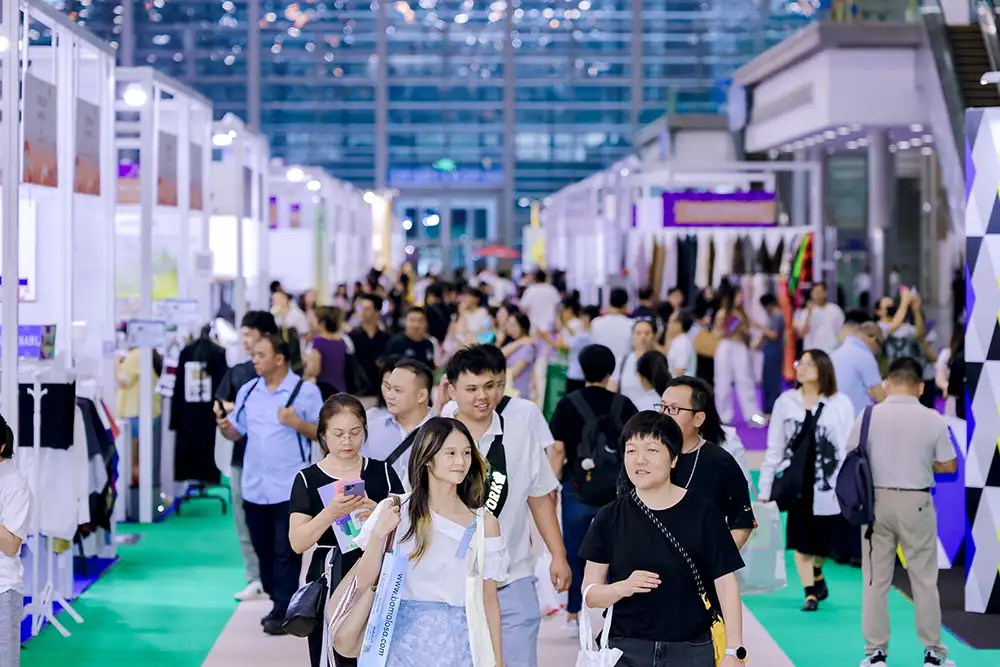
Yarn Expo Shenzhen 2026 closed with more than 20,000 visits from 74 countries and regions, underlining Shenzhen’s growing role as a mid-year sourcing platform for the Greater Bay Area. The three-day event brought together nearly 100 yarn and fibre exhibitors, with buyers seeking materials that combine performance, lower-impact credentials and differentiated product value.
Held alongside Intertextile Shenzhen Apparel Fabrics and PH Value, the exhibition connected upstream fibre and yarn suppliers with fabric makers, knitters, apparel producers and product-development teams. This integration matters for South China’s textile ecosystem, where shorter development cycles increasingly require closer coordination between material innovation and finished-product execution.
Functional materials take centre stage
The sourcing offer covered chemical fibre, cotton yarn, fancy yarn, regenerated yarn and wool yarn. However, exhibitor feedback suggests that buyer interest was strongest in materials with identifiable functional or sustainability attributes.
Better International presented bio-based temperature-regulating fibres under its Tempsense brand, alongside collagen-based Collaskin fibres. Jingyi Group showcased vortex-spun Lyocell-blended yarns, while Top Line promoted premium cashmere and biodegradable protein-fibre materials for higher-end markets.
These products reflect a broader commercial shift. Basic yarn specifications remain important, but buyers increasingly want fibres that can support measurable comfort, thermal regulation, softness, lower-impact claims or distinctive aesthetic performance.
Certification becomes part of material selection
The fair’s Green Fibre Certification Display and related sustainability forums placed certification, recycled materials and bio-based fibre development closer to mainstream sourcing discussions.
For yarn manufacturers, this raises the importance of documented evidence. Sustainability claims must increasingly be supported by traceable feedstock, credible certifications, test data and clear guidance on downstream processing performance. Mills and brands need assurance that a yarn can meet both environmental expectations and production requirements for knitting, weaving, dyeing, finishing and garment use.
Concurrent sourcing strengthens the platform
The co-location with Intertextile Shenzhen Apparel Fabrics and PH Value gave exhibitors access to a wider downstream audience. Several participants highlighted the value of meeting fabric and apparel buyers alongside raw-material customers, allowing earlier discussion of applications, commercial viability and product development.
The next measure of success will not be visitor volume alone. It will be whether interest in Lyocell blends, functional bio-based fibres, protein-based yarns and regenerated materials converts into repeat sourcing programmes and scalable orders across South China and export markets.
The fair’s commercial signal is clear: yarn suppliers are being assessed increasingly on functional performance, verified sustainability credentials and speed of downstream collaboration.
Yarn Expo Shenzhen 2026 closed with more than 20,000 visits from 74 countries and regions, underlining Shenzhen’s growing role as a mid-year sourcing platform for the Greater Bay Area. The three-day event brought together nearly 100 yarn and fibre exhibitors, with buyers seeking materials that combine performance, lower-impact credentials and differentiated product value.
Held alongside Intertextile Shenzhen Apparel Fabrics and PH Value, the exhibition connected upstream fibre and yarn suppliers with fabric makers, knitters, apparel producers and product-development teams. This integration matters for South China’s textile ecosystem, where shorter development cycles increasingly require closer coordination between material innovation and finished-product execution.
Functional materials take centre stage
The sourcing offer covered chemical fibre, cotton yarn, fancy yarn, regenerated yarn and wool yarn. However, exhibitor feedback suggests that buyer interest was strongest in materials with identifiable functional or sustainability attributes.
Better International presented bio-based temperature-regulating fibres under its Tempsense brand, alongside collagen-based Collaskin fibres. Jingyi Group showcased vortex-spun Lyocell-blended yarns, while Top Line promoted premium cashmere and biodegradable protein-fibre materials for higher-end markets.
These products reflect a broader commercial shift. Basic yarn specifications remain important, but buyers increasingly want fibres that can support measurable comfort, thermal regulation, softness, lower-impact claims or distinctive aesthetic performance.
Certification becomes part of material selection
The fair’s Green Fibre Certification Display and related sustainability forums placed certification, recycled materials and bio-based fibre development closer to mainstream sourcing discussions.
For yarn manufacturers, this raises the importance of documented evidence. Sustainability claims must increasingly be supported by traceable feedstock, credible certifications, test data and clear guidance on downstream processing performance. Mills and brands need assurance that a yarn can meet both environmental expectations and production requirements for knitting, weaving, dyeing, finishing and garment use.
Concurrent sourcing strengthens the platform
The co-location with Intertextile Shenzhen Apparel Fabrics and PH Value gave exhibitors access to a wider downstream audience. Several participants highlighted the value of meeting fabric and apparel buyers alongside raw-material customers, allowing earlier discussion of applications, commercial viability and product development.
The next measure of success will not be visitor volume alone. It will be whether interest in Lyocell blends, functional bio-based fibres, protein-based yarns and regenerated materials converts into repeat sourcing programmes and scalable orders across South China and export markets.
