

The launch reflects a subtle shift in textile value creation: fabrics are increasingly judged not only by how they are made, but by how they retain appearance through real-world use and care.
Milliken & Company has introduced Millibrite, a polymer-based whitening technology designed for modern laundry detergents. The platform targets a growing performance gap in household fabric care: conventional optical brighteners often depend on ultraviolet light, while consumers increasingly assess washed clothing under LED lighting with limited UV exposure.
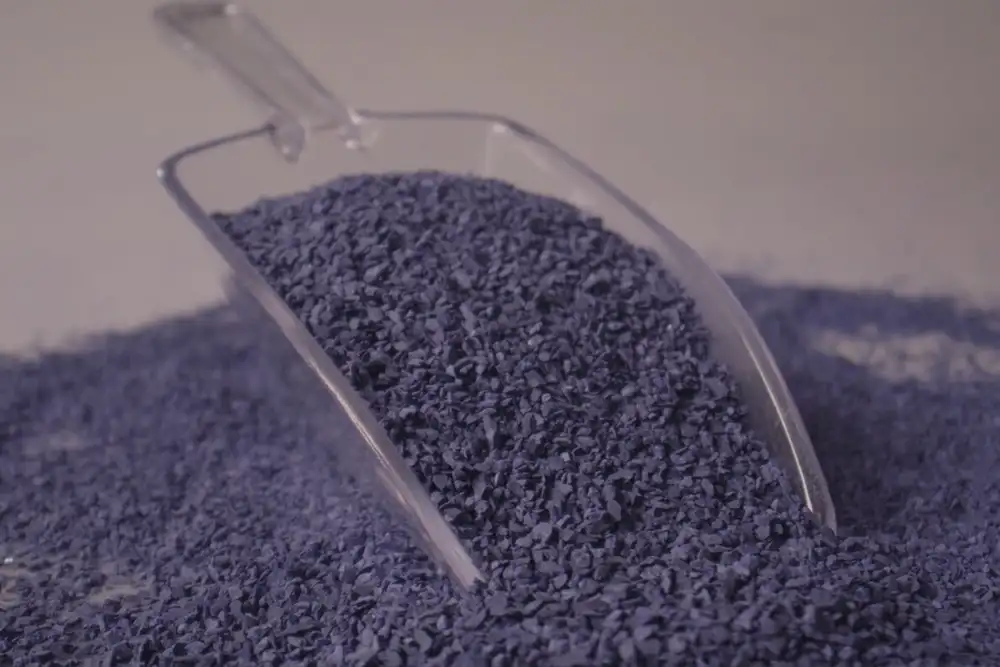
Millibrite uses controlled deposition of blue-violet chemistry on fabric surfaces to counter yellowing that develops through wear and repeated wash cycles. Milliken says the technology is intended to provide a more consistent appearance across indoor LED environments and natural daylight, while avoiding over-bluing and uneven whitening.
Laundry conditions are changing
The product is aimed at detergent formulators rather than textile mills directly, but its relevance extends across the apparel and home-textile value chain. Consumers are washing at lower temperatures, using gentler programmes and expecting garments to retain a clean, bright appearance for longer.
That creates a technical challenge for conventional whitening systems. A fabric may appear bright under daylight yet look duller in homes, retail spaces or offices illuminated predominantly by LEDs. Visual whiteness remains a powerful signal of cleanliness, especially for white shirts, school uniforms, bedding, towels, underwear and performance apparel.
Milliken positions Millibrite as a response to this changing use environment rather than simply another brightening additive.
A polymer route to garment longevity
The company says the technology can be used in both liquid and powder detergents and is compatible with natural and synthetic fibres. It is also designed to perform in cold- and low-temperature wash programmes, an increasingly important feature as households seek lower energy use and brands promote care practices intended to reduce garment impacts.
The sustainability proposition requires careful interpretation. A whitening technology does not make a garment circular or low-impact by itself. However, maintaining visual quality can help extend a product’s usable life, particularly in categories where yellowing or greying leads consumers to replace otherwise functional items prematurely.
What brands and textile suppliers should watch
For detergent brands, the commercial test will be whether Millibrite delivers visible, repeatable results without compromising formulation cost, colour safety or consumer perception. For apparel and home-textile brands, the broader lesson is that durability increasingly includes appearance retention—not only tensile strength, pilling resistance or dimensional stability.
The next signal will be independent performance validation across different fibre blends, soil conditions, wash temperatures and lighting environments. If the technology performs as claimed, fabric whiteness could become a more deliberate part of product-life-extension strategies.
