

The £1.25 million SAFER PLUS project will build a commercial-scale demonstration plant in South Punjab capable of converting 5,000 tonnes of agricultural waste annually into up to 4,000 tonnes of industrial bio-coal.
Pakistan’s textile mills could gain a locally produced alternative to imported coal under SAFER PLUS, a UK-backed project converting cotton stalks and sugarcane residues into engineered bio-coal through torrefaction.
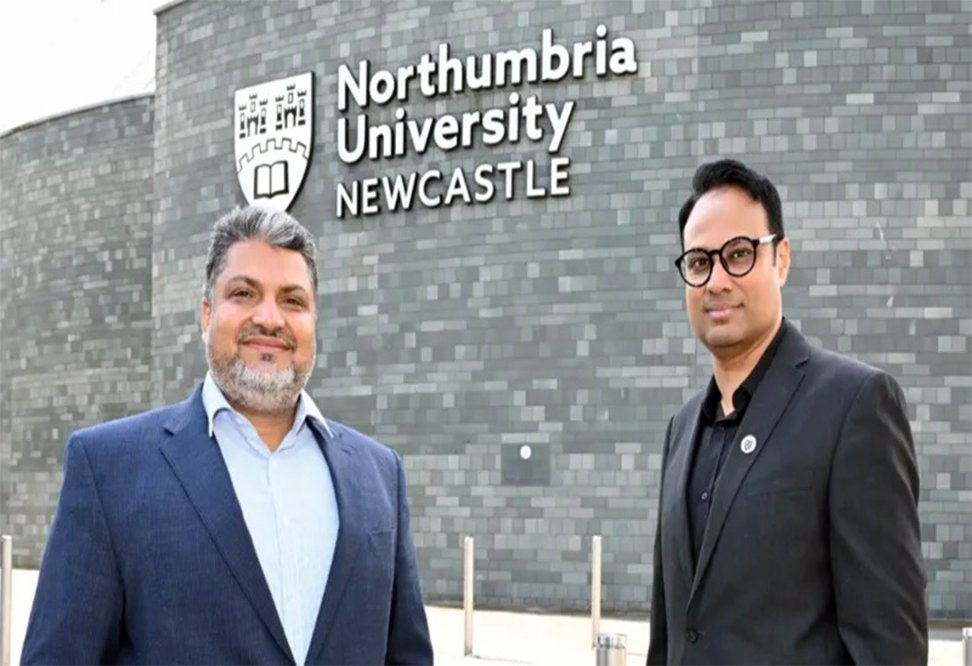
The project has secured nearly £1.25 million ($1.7 million) through Innovate UK’s Energy Catalyst Round 11. A demonstration facility will be built at the University of Kamalia, with Eco Research, Northumbria University and other partners involved. It was one of only three mid-stage projects selected from nearly 300 applications.
4,000 tonnes of bio-coal a year
The plant is expected to process approximately 5,000 tonnes of crop residues annually, producing up to 4,000 tonnes of bio-coal. Three Pakistani textile manufacturers have already committed to trial the fuel and potentially purchase it commercially if performance is satisfactory.
Project developers estimate the pellets could substitute imported coal in textile boilers and brick kilns at 40–50% lower cost without modifying existing equipment. Pakistan currently imports around 19 million tonnes of coal annually at a cost exceeding $2.5 billion, according to Northumbria University.
More than a boiler fuel
The patent-pending process is designed to generate four outputs: bio-coal, electricity, usable industrial heat and wood vinegar. Surplus heat could supply nearby textile dyeing workshops, while process gases can generate electricity and wood vinegar can be marketed as an agricultural input.
The consortium ultimately wants to establish 30 hubs across Punjab, which it estimates could displace more than 100,000 tonnes of imported coal annually.
Textile mills will provide the real test
For Pakistan’s textile industry, the project is commercially significant because thermal energy remains essential to dyeing, finishing and steam generation. A reliable domestic fuel made from agricultural residues could simultaneously reduce fossil-fuel imports and create value from crop waste.
But the decisive metrics will be delivered fuel cost, calorific value, emissions, ash behaviour, boiler efficiency, feedstock seasonality and supply-chain reliability. Successful mill trials—not laboratory performance—will determine whether SAFER PLUS can become a scalable industrial-energy model.
