

China’s declining export share no longer automatically generates more orders for Bangladesh; product depth, investment conditions and market access now carry greater weight.
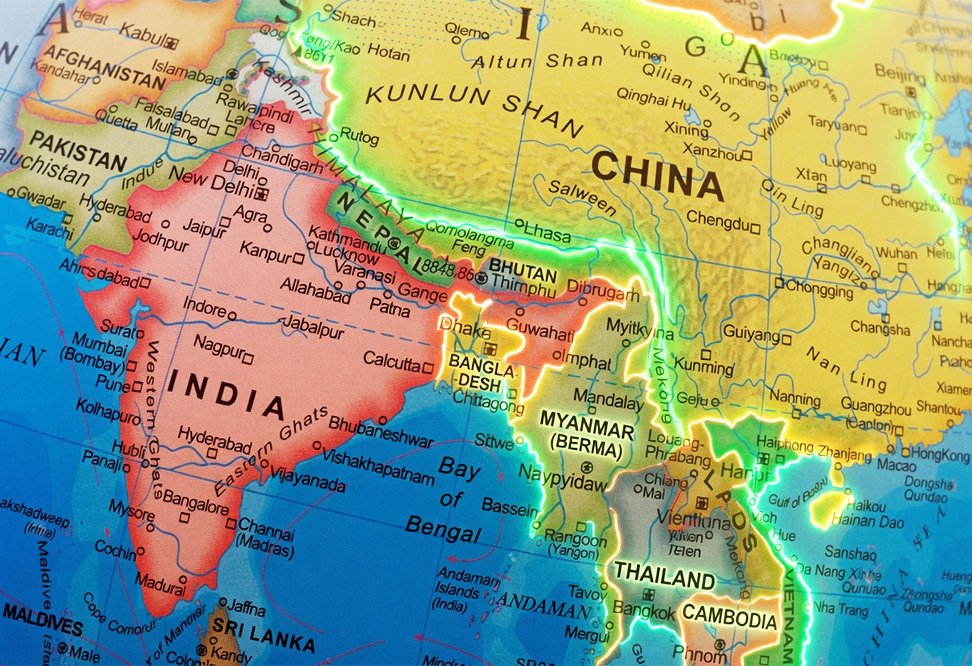
Bangladesh has not captured a significant share of apparel business moving away from China since 2022, says a new study by Research and Policy Integration for Development (RAPID). China’s global apparel export share reportedly fell from 26.33% in 2022 to 23.56% in 2025. Cambodia rose from 3.34% to 4.26%, Vietnam from 8.57% to almost 9%, while Bangladesh’s share was broadly flat after reaching 11.67% in 2022.
These figures concern global apparel export-market share, not China’s domestic clothing market. They show that the current China+1 phase is being captured selectively rather than automatically by established low-cost suppliers.
Competitors have moved faster
Bangladesh gained 3.75 percentage points between 2015 and 2022 as China lost nearly 10 points, RAPID estimates. Since 2022, China has shed another 2.77 points. Cambodia gained 0.90 points and Vietnam 0.40 points, whereas Bangladesh did not advance.
RAPID cites policy inconsistency, a weak investment climate, limited man-made-fibre and higher-value apparel capacity, and Chinese investment in competing hubs. Industry representatives also cite power shortages, high borrowing costs and ineffective export marketing. These constraints deter investment, restrict movement into synthetic-fibre categories and narrow Bangladesh’s sourcing proposition.
Europe offers time, not immunity
RAPID’s warning of a more than 43% fall in EU garment exports under most-favoured-nation tariffs is a conditional stress scenario, not an immediate forecast. Bangladesh will graduate from UN least-developed-country status on 24 November 2026. Under the EU’s revised GSP, it will retain Everything But Arms preferences for three years after graduation, at least through end-2029, and may seek GSP+ if it meets the conditions.
The transition is commercially important. The EU was Bangladesh’s largest trading partner in 2025, and textiles accounted for almost 94% of EU imports from the country. Bangladesh must use the grace period to secure post-2029 market access, accelerate MMF investment and strengthen energy and investment-policy reliability.
The next test is whether reforms attract new fibre, fabric and apparel capacity before China+1 sourcing becomes structurally anchored elsewhere.
