

Industrial filaments are the quiet safety infrastructure of cars—and Barmag is pitching energy-efficient, recipe-stable production as the new baseline.
At Techtextil 2026 (Frankfurt, April 21–24), Barmag will showcase end-to-end solutions for industrial filament yarns at the VDMA joint stand (Hall 12, C56), targeting applications where failure is not an option: airbags, seat belts and geotextiles.
Modern vehicles contain 30–35kg of industrial yarns, much of it embedded in safety components. For airbags, Barmag highlights energy-efficient, high-output lines for polyamide and increasingly polyester filament yarns, designed to keep yarn quality stable across climates and long service life.
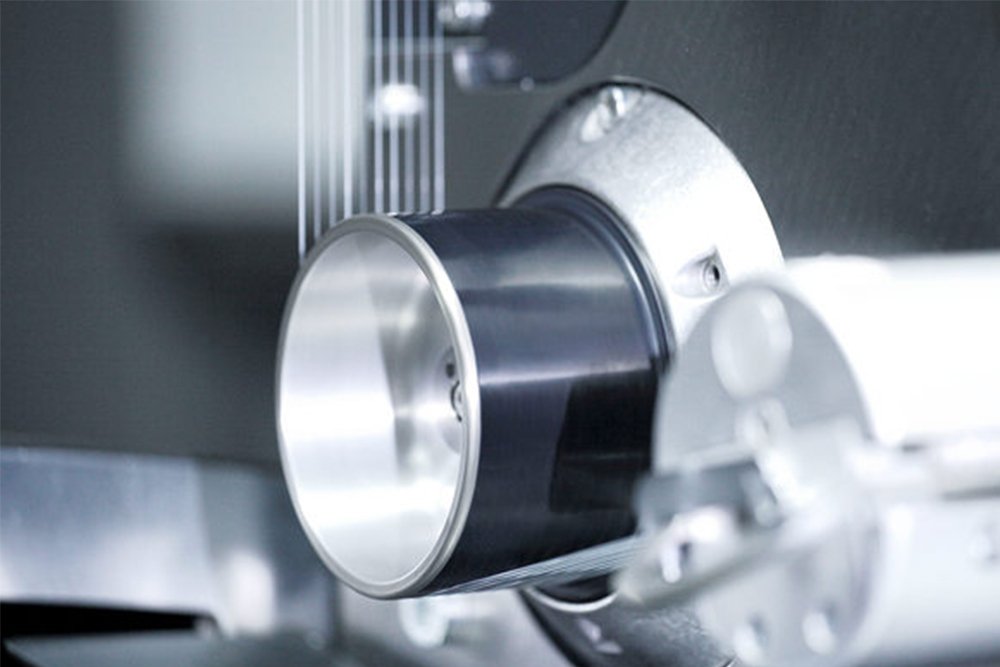
For seat belts—where controlled elongation matters as much as tensile strength—Barmag positions its patented Single Filament Layer technology as a gentler, more precise route to high-tenacity yarns.
Outside the cabin, it argues the same process discipline enables ultra-high-titer yarns for geotextiles (e.g., geogrids), while its Neumag brand promotes spunbond and staple-fibre concepts for polyester/PP geotextile applications.
This is less a yarn story than a repeatability story. Automotive supply chains increasingly buy “process certainty”: digitally reproducible output, lower energy per kilogram, and fewer quality excursions that trigger costly recalls or warranty risk.
Neumag’s PP inline concept (paired with EvoDuct airflow and EvE-2 monomer/hot-air extraction) signals where competition is headed: tighter airflow control, lower turbulence, and energy savings—incremental engineering that becomes decisive at industrial scale.

