

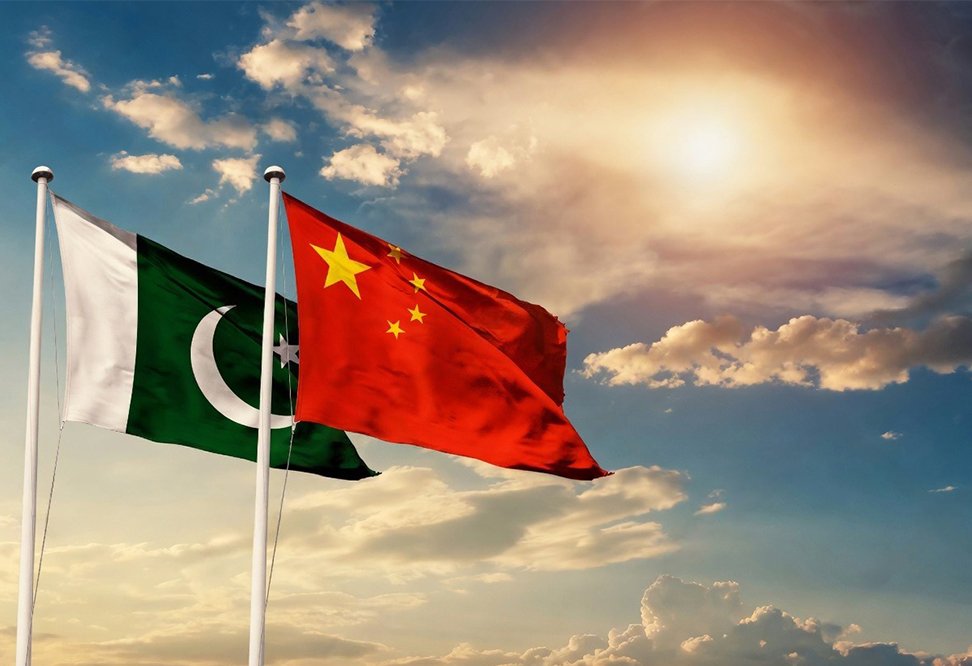
The project could become a test case for whether Pakistan can convert Chinese industrial relocation into large-scale apparel exports and jobs.
Chinese apparel manufacturer Challenge Fashion is preparing a major expansion in Pakistan, with a long-term target of generating $400 million to $500 million in annual exports and creating up to 20,000 jobs through a large export-oriented manufacturing operation. The plan was discussed in Islamabad during a meeting between Federal Commerce Minister Jam Kamal Khan and a Chinese delegation led by Challenge Fashion Chairman Huwang and Challenge Apparel CEO Karen Chen.
A large-scale apparel bet
The company told the commerce minister it is establishing a major manufacturing facility in Pakistan under international production standards, with the first phase expected to be completed later this year. If implemented at full scale, the project would rank among Pakistan’s larger foreign-backed apparel manufacturing investments, adding capacity in a segment where Pakistan wants to move beyond yarn and fabric into higher-value exports.
The expansion follows earlier plans by Challenge Fashion to develop a Special Economic Zone in Pakistan, with reported investment of $100 million over five years. Earlier reporting also linked the company’s Pakistan strategy to a larger textile park concept near Lahore, designed to integrate garment production with supporting textile and supply-chain activity.
Tariffs, inputs and utilities matter
The discussion also covered the practical bottlenecks that determine whether such projects move from announcement to execution: logistics, energy access, land approvals, infrastructure, utility facilitation and SEZ reforms. The Chinese delegation raised concerns over specialized industrial construction materials and manufacturing inputs that are not locally produced but are needed to meet international production and safety standards.
Jam Kamal Khan said Pakistan is undertaking phased tariff rationalization to reduce unnecessary costs for manufacturers and asked the delegation to submit product details and tariff classifications for formal review.
A supply-chain opening for Pakistan
For Pakistan, the commercial opportunity is clear: global apparel supply chains are diversifying, Chinese manufacturers are exploring lower-cost production bases, and buyers continue to seek capacity outside traditional sourcing hubs. But the outcome will depend less on investment announcements than on execution—stable energy, predictable tariffs, faster approvals, and reliable import access for machinery, materials and compliant inputs. The next signal to watch is whether the first phase is completed on schedule and whether tariff facilitation translates into actual production and export orders.
