

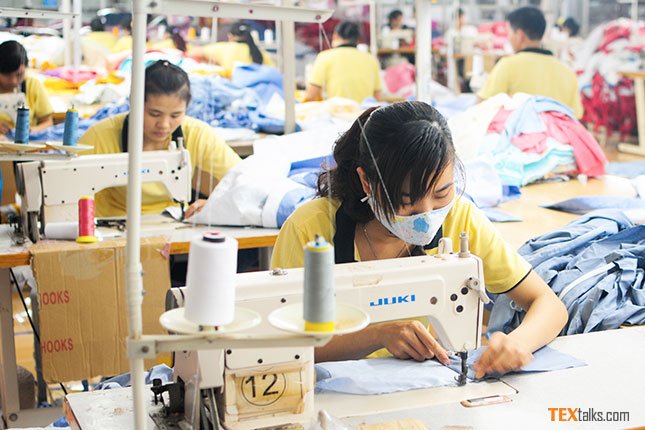
The resulting global shutdown of numerous economies has deeply impacted Indonesia’s textile and garment manufacturers.
As Indonesia and its key export markets implemented social distancing policies, the dramatic decrease in overseas demand was compounded by declining domestic demand as retailers from high-end shopping malls to local traditional markets were forced to close as a result of PSBB guidelines.
Although growth in online demand has helped to cushion the blow for some overseas outlets, Indonesian consumers have not adjusted to shopping for clothing online. The Utilization of the garment sector declined to 80 percent from a normal utilization of 90 percent.
Lower demand in the textile and garment sector as a result of COVID-19 is having an outsized impact on Indonesia’s economy. The industry accounts for 3.1 percent of the total workforce population of 121.
02 million.
The Indonesian Chamber of Commerce recently reported that the total newly unemployed population reached 6.
4 million, of which an astounding 2.1 million or 33 percent were from the textile and garment sector. While many of the newly unemployed expected to return to work, the numbers reveal the depths of the shock to the industry as it attempts to navigate supply and demand during the global pandemic.

