

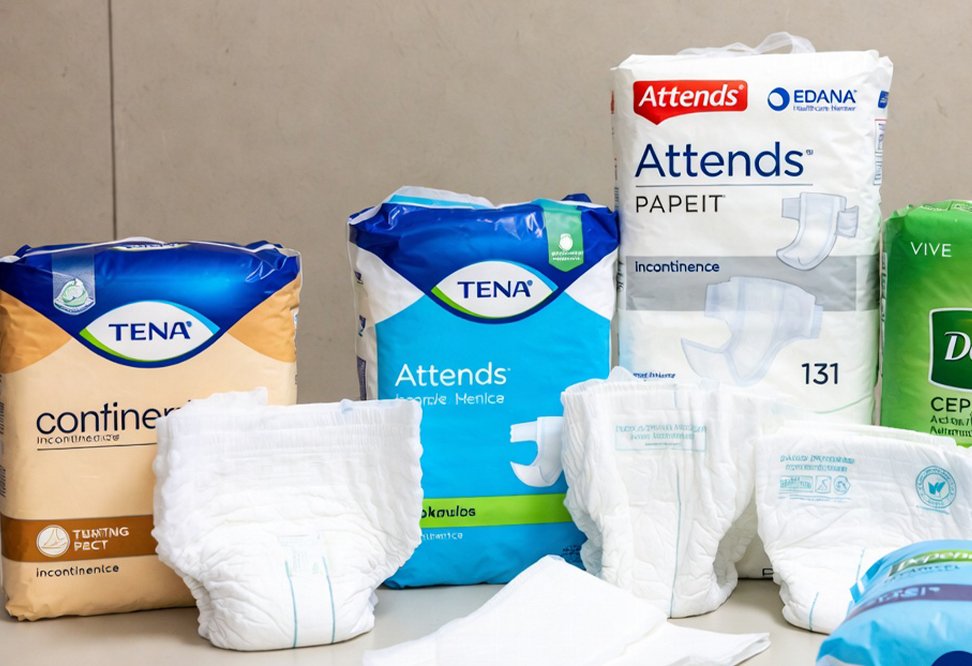
Absorbent hygiene products are being positioned not only as consumer goods, but as essential nonwoven medical solutions for ageing societies.
EDANA has published a new report, “The Central Role of Absorbent Hygiene Products in the Management of Adult Urinary Incontinence: Benefits, Costs and Environmental Impact,” to coincide with the start of World Continence Week on June 15. The report argues that adult incontinence products are a critical part of long-term care systems, supporting dignity, mobility, skin health and caregiver efficiency.
A large and under-discussed condition
Urinary incontinence affects an estimated 465 million adults worldwide, across age groups, but incidence rises strongly among older populations. EDANA notes that up to 80% of affected people manage symptoms privately without consulting a clinician, reflecting both stigma and gaps in care pathways.
For nonwovens producers, this reinforces a structural demand driver: ageing populations, obesity, chronic disease and pressure on care systems are increasing the need for reliable, skin-safe, absorbent products that can be used daily and at scale.
Healthcare value, not just product performance
The report presents absorbent hygiene products as regulated medical devices designed for urine-loss management. It says high-quality body-worn AHPs can reduce caregiver laundering demands, support employment and social participation, and cut the risk of secondary complications such as pressure ulcers by up to 67%.
This shifts the commercial discussion. Product innovation is not only about absorbency, softness or leakage protection; it is about lowering total care burden for families, institutions and public payers.
Sustainability pressure remains
EDANA also acknowledges the environmental challenge. The sector is working on lighter products, material down-gauging, advanced superabsorbent polymers, life-cycle assessment, mechanical separation, chemical recycling and anaerobic fermentation pilots for end-of-life treatment.
The next competitive frontier will be balancing clinical performance, affordability and environmental impact. For nonwoven suppliers, that means stronger work in fibre selection, SAP efficiency, breathable backsheet materials, bonding technologies, product safety documentation and credible end-of-life options.
As continence care becomes a larger public-health issue, the industry’s challenge is clear: make products that protect users and caregivers while proving that hygiene performance and sustainability can advance together.
