

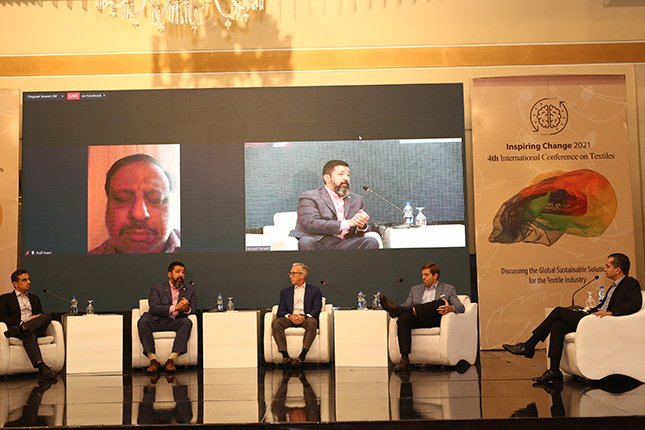
 Panel discussion at Inspiring Change Conference
TEXtalks International organized the 4th Inspiring Change Conference (ICC) 2021 on October 14, 2021, at Pearl Continent Hotel Lahore. Among various panel discussions, the first panel discussion was themed on cotton. Pakistan is the fifth-largest producer of cotton in the world. It also has the third-largest cotton spinning capacity in Asia (after China and India), with thousands of ginning and spinning units producing textile products from cotton. Cotton is the most important cash crop in Pakistan, and cotton products export accounts for 55% of all foreign exchange earnings of the country. Nearly 26% of Pakistani farmers grow cotton, and over 15% of the total cultivated area is devoted to this crop. Therefore, the viewers and stakeholders warmly welcomed the cotton panel discussion.
The panel included national and international experts talking about cotton. Iqbal Khurram chaired the session, joined by other experts: Carlos Garcia, John Cash King III, Steven Dyer, Shayyan Abdullah and Asif Inam.
 Talking about the cotton market and future, Carlos Garcia discussed:
The influence of cotton prices on the profitability of the textile industry’s value chain. He said that when the cotton prices are below one dollar without the fear of significant fluctuations or volatility, the profitability of the textile industry, farmers, traders, and brands remains feasible, which makes them prosper well. However, when the prices increase suddenly, the unsure situations rise, causing a disturbance in demand and supply. Furthermore, the high prices also open doors for other fibers to come in and replace cotton.
Among these opportunists, man-made fibers are the most feared ones regarding their environmental impact. Earlier in 2011-12, nobody benefited from the situation when the prices were high. Therefore, the prices could be moderate, providing a platform for a win-win situation for the textile sector and other stakeholders. Iqbal Khurram agreed with the ideas of Carlos and said that when the market was in mid 90 cent range, the spinning industries enjoyed the perks, and now, increased cotton prices have reduced the profit margins across the textile supply chain.
John Cash indicated that everyone is worried about the cotton prices. He said there has now been a gap between cotton and yarn prices, causing trouble. There have been energy cutoffs in China, India, and the UK, causing more concern with cotton prices. Furthermore, the logistic situation is worsening the case.
Steven Dyer discussed that the world witnessed a decade of high cotton prices. However, he said that the scenario is not different from other commodities. The crude oil, energy, agricultural items, and other soft commodities are also getting expensive. Due to the COVID-19 pandemic, the gap between demand and supply triggered the cotton prices. The industry has been used to buying cotton for around 70 cents; however, the prices are expected to be higher in the near future due to the current inflammatory phase. As far as cotton demand is in the market, even the higher prices are digestible.
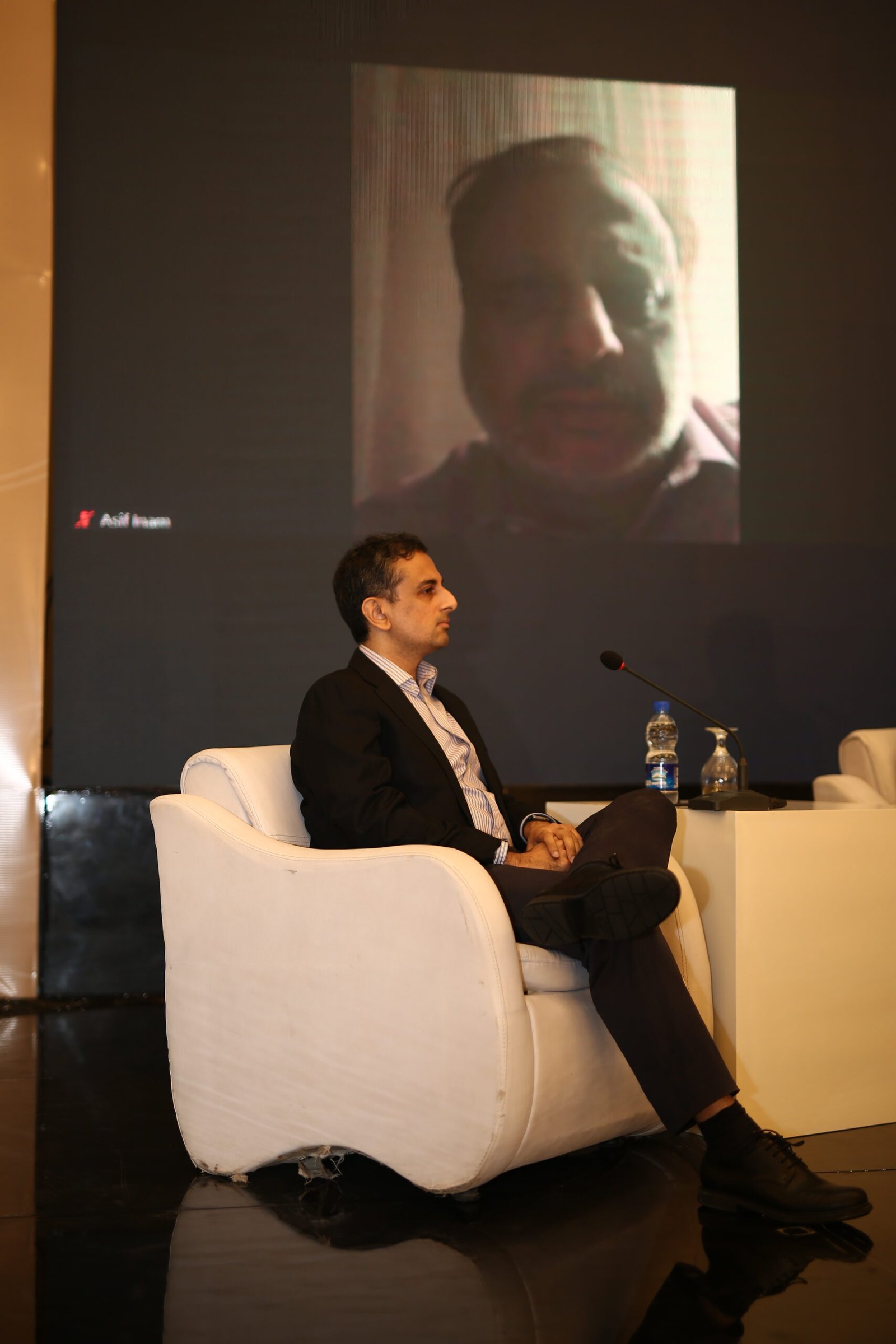 Shayyan Abdullah discussed the effect of higher cotton prices on the spinning business. Cotton is the spinning section’s raw material. Higher prices could never be favorable for this sector as the spinning sector cannot stock the appropriate quantity due to value fluctuations and limited funds. He also agreed with the point of Carlos that when the market was near 90 cents, everybody was happy. Any price above $1 is not acceptable for a favorable business. Numerous factors influence the price fluctuations, and it seems complicated that the prices will come down soon.
Asif Inam also agreed that the industry was not happy with the increased cotton prices. For the textile spinners, not buying cotton was out of proposition. However, buying at such an elevated price was also a risk. The retailers have already increased the price by 20-25% on different cotton products. The gap is being filled with using polyester, predominantly recycled polyester. Though recycling polyester is a good thing, it can not be used as a green alternative to cotton as it is still polyester associated with various drawbacks. Therefore, the cotton industry should reach out to different government organizations and stakeholders to discourage the increasing polyester consumption in the textile supply chain. Iqbal Khurram also agreed with Asif Inam and said that polyester is not sustainable. However, if there were no cotton to buy due to logistic issues, production issues, or others, the polyester market would rise, which could cause significant danger for the cotton sector and the environment.
Regarding cotton, Asif Inam said that organic cotton is the best program due to its sustainable impact with no fertilizers and healthy soil. Unfortunately, India has produced some fake organic cotton, ringing an alarm among the international buyers who were earlier paying the extra money for this. In Pakistan, the Balochistan region has excellent potential for organic cotton production.
Steven Dyer further said that the best price for cotton is under $1. Currently, there is a bit of uncertainty regarding the price and comfort range, and however, it seems that the window will be a bit higher than the previous one. Another concern is that the brands and retailers do not want to increase the prices, putting more pressure on the yarn sector. The industries have to adjust quickly with the prices to avoid loss. Iqbal Khurram discussed that earlier, Pakistan was importing cotton from various destinations. With the shipment and logistic issues, the pressure is building. Responding to his comments, John Cash said that it is true that logistic issues are one of the major concerns. It might take more than one year to settle with the COVID-19 until the scenario for transportation comes to normal. Currently, the workforce, drivers, shipping lines, loading and unloading the containers, and other operations are working under capacity. Therefore, it seems that it might take up to the end of 2022 for the logistic issues to end.
Responding to the reducing cotton crop yield in the USA, Carlos Garcia discussed that the crop yield reduced to 18.
5 million bales which took everyone with a great surprise.
Excessive rain in the southeast delayed crop, and other issues behind the reduced production make it tough to reach higher outputs. The overdried soil (due to fewer rains) caused delayed sowing in other areas. On the other hand, in areas with excessive rain, the plants grew and made leaves more than cotton balls. However, cotton production is dependent on mother nature which could not be according to our desires. Still, the production of 18.5 million bales is good, and it is hoped that the crop is healthy because the prices depend on the cotton yield, and higher prices are not favorable for anyone, including Pakistan.
Answering the sustainability of the cotton, Shayyan Abdullah said that even before the COVID-19 pandemic, the buyers and retailers were asking for sustainable cotton. However, with the pandemic, the demand has further been strengthened.
Many brands have set some targets to become 100% sustainable. For example, Inditex is saying that by 2023, they will be using 100% sustainable cotton. BESTSELLER has stated that by 2025, their products will have 30% organic cotton along with 100% sustainable cotton. Therefore, the demand for sustainable cotton is rising. Apart from organic and sustainable cotton, the brands are looking for traceability to ensure that they get the right things. Therefore, the young generation will only buy sustainable items amid raising awareness. However, the biggest challenge is that these brands asking for traceable and sustainable cotton are unwilling to pay better, making life more challenging for the spinning section. When the spinners talk about such things with the farmers, the farmers ask for a premium in return. Thus, paying the premium to farmers adds the cost for spinners, while retailers are not willing to pay.
Steven Dyer agreed with Shayyan Abdullah regarding the sustainability of cotton, and he said that the demand for sustainable cotton is growing globally. Soon, there will be no choice except to grow sustainable cotton, and the spinners will have to do this for survival as brands and stakeholders ask for traceability, which is better for the planet. Around the globe, the farmers are joining sustainability campaigns like BCI and others that promise better and ethical cotton growing.
The panel concluded that sustainable cotton is the only way to move forward for the textile sector. The awareness campaigns must be done more aggressively to promote sustainable cotton in Pakistan. The country can produce organic cotton, and few organizations are already working in Pakistan with various stakeholders. Pakistan’s textile sector has enormous potential, and the spinning sector should coordinate with farmers to accelerate the sustainable drive, which could favor the country in various aspects. The audience applauded the panel’s efforts and hoped that the session could be a way forward to reach sustainable cotton production in the country.

