

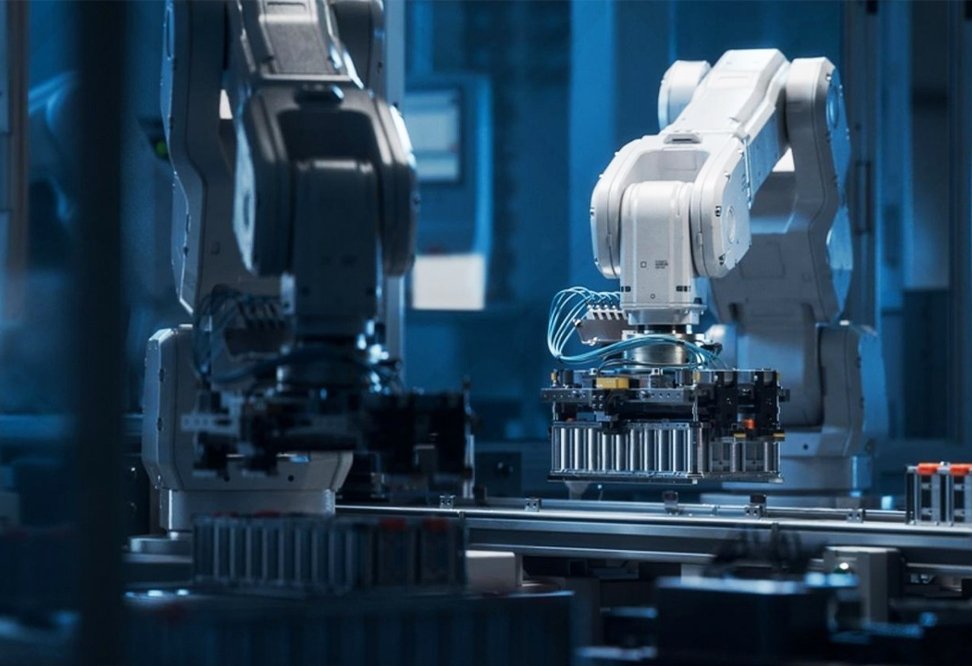
The next manufacturing shift is not a worker-free mill, but a production system in which skilled operators, AI and connected machinery make faster and more reliable decisions together.
Textile manufacturing is moving beyond the efficiency-focused model of Industry 4.0 towards Industry 5.0, a framework that places human capability, environmental performance and operational resilience alongside automation.
The European Commission defines Industry 5.0 through three priorities: human-centricity, sustainability and resilience. Rather than replacing Industry 4.0, it broadens the digitalisation agenda beyond productivity and shareholder returns to include worker wellbeing, circular resource use and the ability to withstand disruption.
Operators move from monitoring to intervention
In spinning, weaving, knitting and finishing, sensors can continuously track yarn tension, machine condition, fabric quality and process variation. Automated systems may detect faults or adjust settings, while operators concentrate on interpreting exceptions, resolving complex problems and optimising the wider production line.
Material-handling equipment can also reduce the physical burden of moving warp beams, fabric rolls and other heavy components. Predictive-maintenance systems allow technicians to plan servicing before failures interrupt production. These changes shift workforce demand from repetitive observation and manual handling towards textile-process knowledge combined with digital literacy and data interpretation.
Resilience changes the investment case
Industry 5.0 also alters how mills evaluate technology. A machine should not be assessed only by maximum speed or labour savings, but by its ability to accommodate variable raw materials, smaller lots, energy constraints and supply-chain shocks.
For textile producers, this could mean connected planning systems, modular machinery, remote diagnostics and tighter control of water, energy and chemicals. More stable processes may also make recycled and alternative fibres easier to run without unacceptable quality variation.
Skills become the bottleneck
The commercial risk is that mills invest in advanced equipment without building the workforce required to use it. Poorly trained operators, fragmented data and weak maintenance systems can leave expensive machinery underutilised.
Successful adoption will therefore require structured reskilling, clear decision rights and measurable targets covering quality, downtime, resource consumption, safety and worker productivity. The decisive competitive advantage will not come from installing the most automation, but from integrating technology with process expertise and organisational discipline. Industry 5.0 will succeed only where machinery investment and human-capital investment advance together.
