

The 25% duty raises landed costs across clothing, footwear and industrial goods, threatening orders, employment and investment in export-dependent Brazilian manufacturing clusters.
The United States has imposed an additional 25% tariff on a broad group of Brazilian exports, including apparel, footwear, machinery, ethanol, furniture and wood products.
Effective from July 22, 2026, the measure is the first major tariff action under Washington’s renewed use of Section 301 of the Trade Act of 1974. Reuters estimates that it could affect $7–11 billion of Brazilian exports annually, equivalent to roughly 18–26% of the country’s shipments to the US.
Consumer-sensitive goods remain exposed
The US exempted strategically important imports including coffee, beef and aircraft components, limiting potential disruption for American consumers and manufacturers. Clothing and footwear, however, remain within the affected product group.
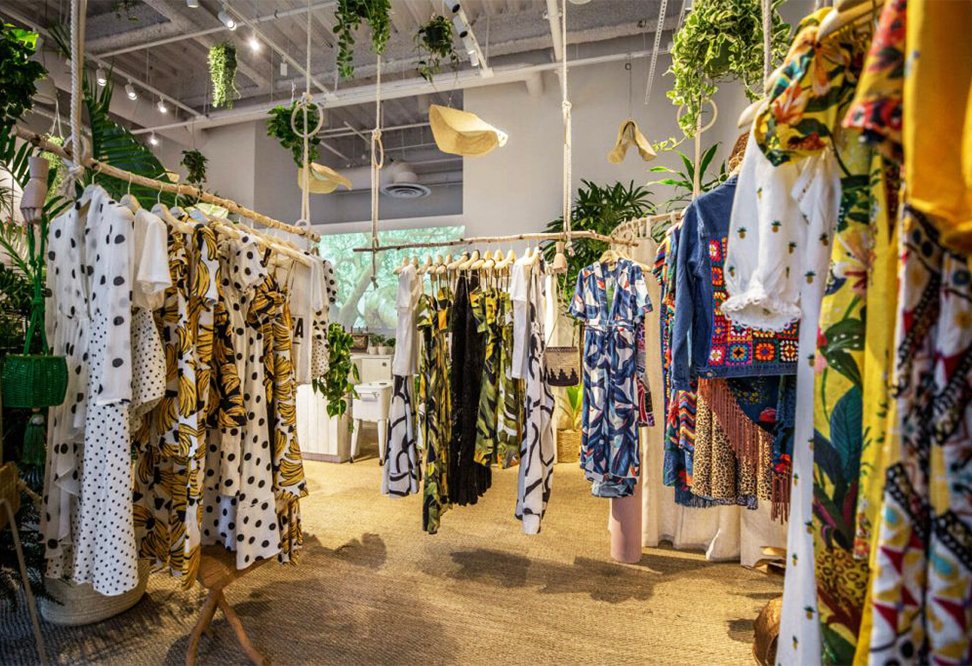
For Brazilian fashion exporters, a 25% additional duty can erase normal wholesale margins unless the cost is absorbed by suppliers, retailers or consumers. US buyers may respond by reducing orders, negotiating lower factory prices or shifting sourcing towards countries facing more favourable tariff treatment.
Footwear manufacturing is particularly exposed. Reuters reported that Brazilian footwear exports were already forecast to decline 7.1% in 2026, with production centres such as Franca facing potential job losses because of their dependence on US demand.
Trade dispute extends beyond tariffs
Washington’s action followed a Section 301 investigation covering digital payments, ethanol-market access, intellectual-property protection, preferential tariff treatment and alleged illegal deforestation. Brazil disputes the findings, noting that the US has historically recorded a trade surplus in bilateral commerce.
Brasília has announced an 18.5-billion-real, approximately $3.7-billion, credit programme for affected companies. The package combines Treasury and development-bank financing for working capital, investment and market diversification.
Further duties raise the risk
The commercial outlook is complicated by a separate US forced-labour action that could add another 12.5% duty to some Brazilian goods. Brazilian officials argue that the two measures should not be cumulative, but final treatment will depend on product classifications and US customs implementation.
The next test will be whether negotiations secure product exemptions. Without relief, Brazilian apparel and footwear producers will need to diversify markets, renegotiate contracts and reduce their exposure to US-dependent order books.
