

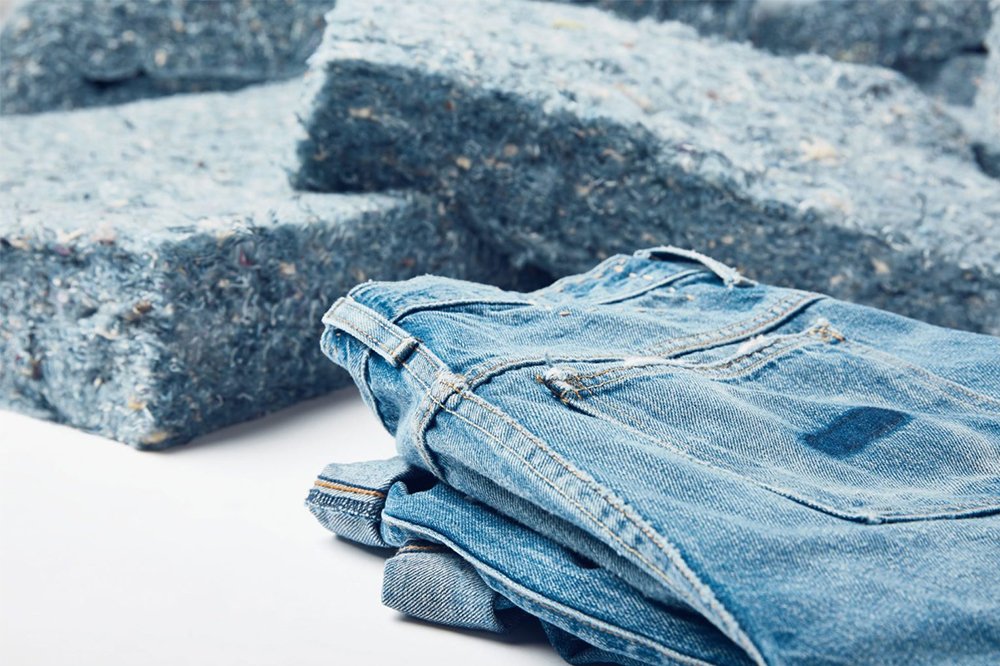
Circular denim is proving more resilient than other innovations, though quality limits and weak market sentiment are keeping ambitions in check.
Denim mills say recycled cotton remains one of the few sustainability ideas still gaining traction in a more cautious market. As brands pull back from trend-led experimentation and focus on value, recycled cotton is increasingly being treated not as a novelty, but as a practical standard, especially in denim.
What is changing
Leading suppliers such as ADM, Recover and Isko say brands are still backing recycled cotton, helped by better traceability, scaled production and more proof that the material can perform in commercial denim. Most mills now work within a realistic range: roughly 10% to 30% recycled content, with 20% often emerging as the operational benchmark.
Why it matters
The appeal is clear. Recycled cotton offers brands a credible circularity story at a time when regulation, climate pressure and resource scarcity are pushing the industry towards more measurable action. But technical constraints remain. Higher recycled content can reduce softness and flexibility because recycled fibres are shorter, making mass-market adoption harder.
What comes next
The industry’s challenge is no longer proving that recycled cotton can work. It is scaling it without compromising quality, consistency or cost. That will require better sorting systems, stronger supply-chain alignment and, above all, commitment from large brands. Circular denim may be advancing, but it still depends on volume players deciding that sustainability is worth buying at scale.

