

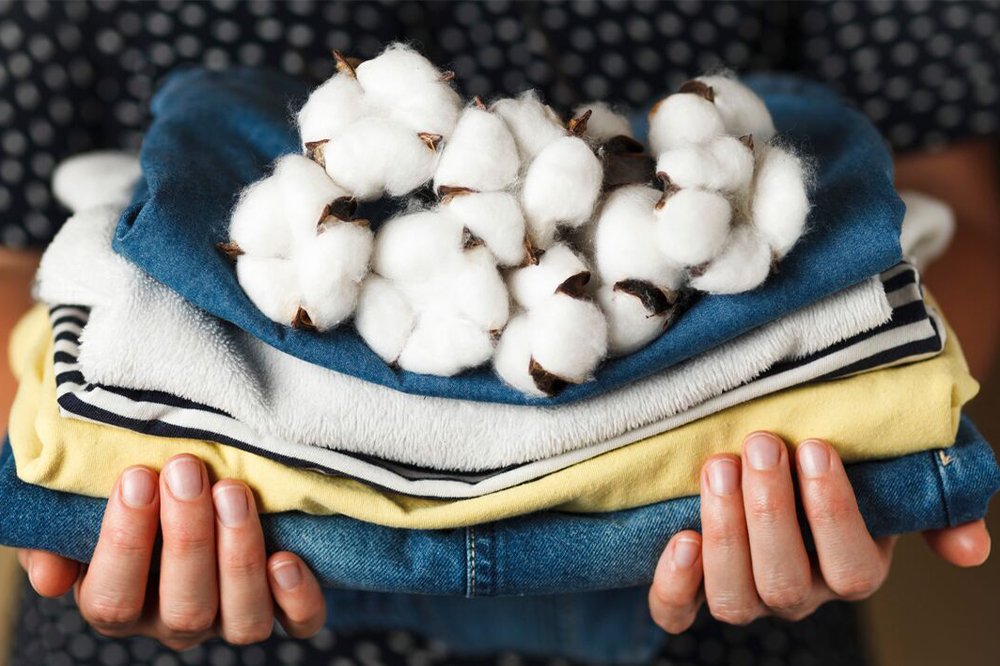
Despite rapid growth in recycled materials, cotton remains structurally entrenched at the core of global apparel supply.
Recycled fashion is gaining momentum, but its rise has yet to displace cotton’s dominance. A recent analysis highlights a widening gap between sustainability ambition and material reality: while brands are scaling recycled inputs, cotton continues to anchor the global textile system.
What is happening: growth without displacement
Recycled fibres—particularly polyester—are expanding quickly, supported by policy pressure, brand commitments and consumer awareness. However, this growth is largely additive rather than substitutive. Virgin fibre demand remains resilient, with cotton retaining a central role due to its versatility, familiarity and established supply chains.
Why it matters: structural lock-in persists
Cotton’s dominance reflects deep system-level inertia. It benefits from entrenched agricultural ecosystems, global processing infrastructure and strong downstream demand in apparel. By contrast, recycled systems—especially for cotton—face technical and economic barriers, including fibre degradation, limited collection systems and scalability constraints.
This creates a paradox: sustainability narratives are accelerating, but the underlying material mix changes slowly.
What comes next: evolution, not disruption
The near-term trajectory points to coexistence rather than replacement. Recycled fibres will continue to grow, but cotton—particularly if improved through better farming practices and circularity—will remain indispensable.
For policymakers and brands, the implication is clear: the transition to sustainable textiles will be incremental and system-wide, not a rapid material substitution.

