

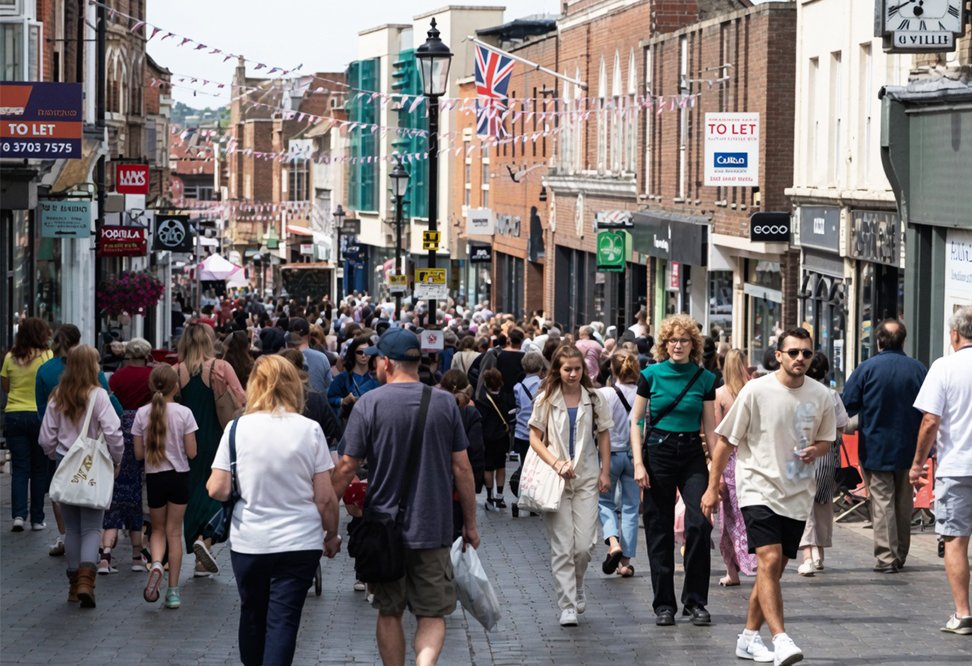
Warm weather and World Cup demand supported summer clothing purchases, yet weak store traffic and subdued consumer confidence kept the wider retail recovery fragile.
UK retail sales continued to grow in June 2026, although the pace slowed as extreme heat shifted spending online and discouraged visits to high streets and shopping centres.
Like-for-like retail sales increased 1.7% year on year, according to the British Retail Consortium–KPMG Retail Sales Monitor, down from growth of about 3.4% in May and below market expectations. Clothing benefited from demand for summer products, while the men’s FIFA World Cup supported spending on sports-related merchandise, food and beverages.
Weather lifts clothing demand
Prolonged hot weather encouraged purchases of lightweight apparel, footwear, fans and other seasonal products. Retailers also used summer promotions to stimulate demand as households remained cautious about discretionary spending.
Separate Barclays data showed total UK consumer-card spending rising 1.9% year on year in June, compared with 0.8% in May. The improvement was supported by World Cup-related hospitality spending and stronger online demand.
For apparel retailers, however, favourable weather can create uneven results. Rapid demand for seasonal products may improve sell-through, but prolonged heat can reduce demand for transitional collections and bring forward markdowns on poorly aligned inventory.
Online takes a larger share
June’s heatwave changed where consumers shopped. Online non-food sales rose 5.1% year on year, while in-store non-food sales declined 1.1%. Digital channels represented about 39% of non-food spending during the month.
Physical retail traffic weakened accordingly. UK shopping visits fell 3.4% year on year, with high-street footfall particularly affected as consumers avoided outdoor shopping locations during the hottest periods.
A cautious signal for suppliers
The data offers a modestly positive signal for clothing manufacturers and sourcing partners, particularly suppliers of summer apparel, sportswear and fast-response programmes. It does not yet indicate a broad demand recovery.
The UK Office for National Statistics is scheduled to publish its official June retail-sales estimate on July 24, 2026. Until then, retailers and suppliers should treat the industry data as evidence of weather- and event-driven demand rather than a firm improvement in underlying consumption. The critical test will be whether sales remain resilient as autumn merchandise reaches stores and households face renewed pressure from living costs.
