The United Nations has postponed Bangladesh’s graduation from least-developed-country status until November 24, 2029, protecting preferential market access while requiring accelerated economic reforms and stronger export competitiveness.
The United Nations General Assembly approved a three-year extension of Bangladesh’s least-developed-country (LDC) status on October 29, 2026, moving its scheduled graduation from November 24, 2026, to November 24, 2029.
The decision, adopted under resolution A/81/L.8, also grants Nepal an equivalent extension. Uruguay introduced the resolution on behalf of the Group of 77 and China.
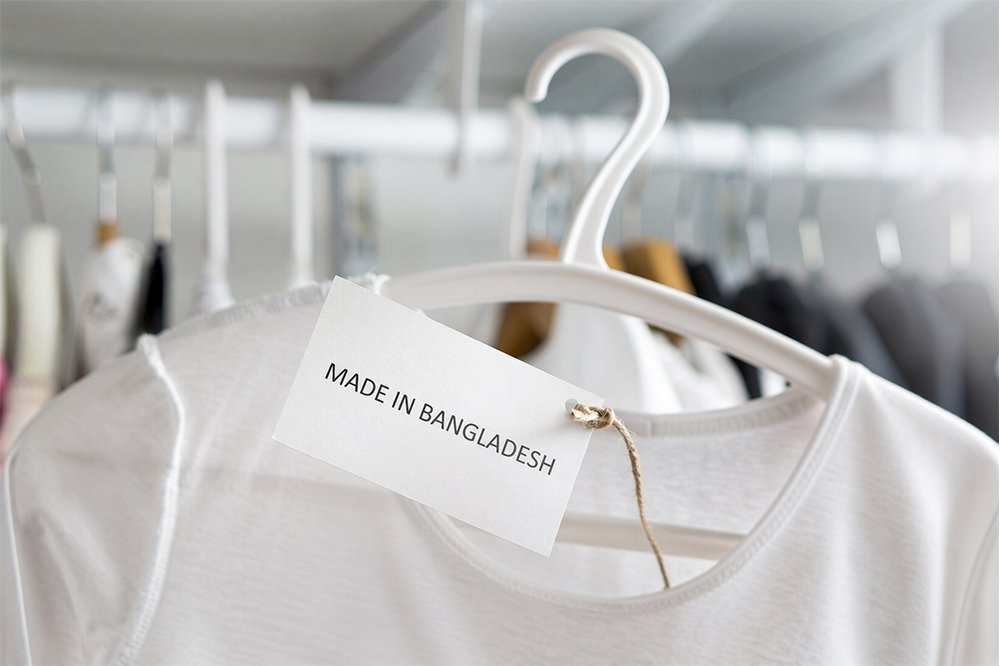
The additional time is commercially significant for Bangladesh’s textile and apparel industry, which depends heavily on preferential access to major export markets.
Duty-Free Access Gets More Time
Bangladesh currently benefits from the European Union’s Everything But Arms (EBA) arrangement, which provides duty-free, quota-free market access for eligible products.
The extension preserves Bangladesh’s LDC eligibility until November 2029. Under the EU’s revised Generalised Scheme of Preferences, a further three-year transition following graduation could maintain EBA benefits into 2032.
The United Kingdom similarly provides a three-year transition under its Developing Countries Trading Scheme, after which Bangladesh can move to Enhanced Preferences.
These arrangements give garment manufacturers additional time to prepare for changes in tariffs and rules of origin.
Reforms Remain a Condition
The UN decision followed Bangladesh’s February 2026 request and a favourable assessment by the Committee for Development Policy.
The committee emphasised that the extension must support substantial domestic reforms addressing persistent structural vulnerabilities.
Priorities include banking-sector stability, export diversification, industrial productivity, infrastructure and implementation of Bangladesh’s Smooth Transition Strategy.
A Critical Window for Textile Manufacturers
Bangladesh exported approximately $38.7 billion in ready-made garments during FY2025–26.
The additional preparation period offers an opportunity to strengthen domestic yarn and fabric production, attract investment in man-made fibres, improve productivity and negotiate future trade arrangements.
The central test is whether Bangladesh uses the three-year extension to reduce dependence on trade preferences and establish a more competitive, diversified textile and apparel industry before 2029.