

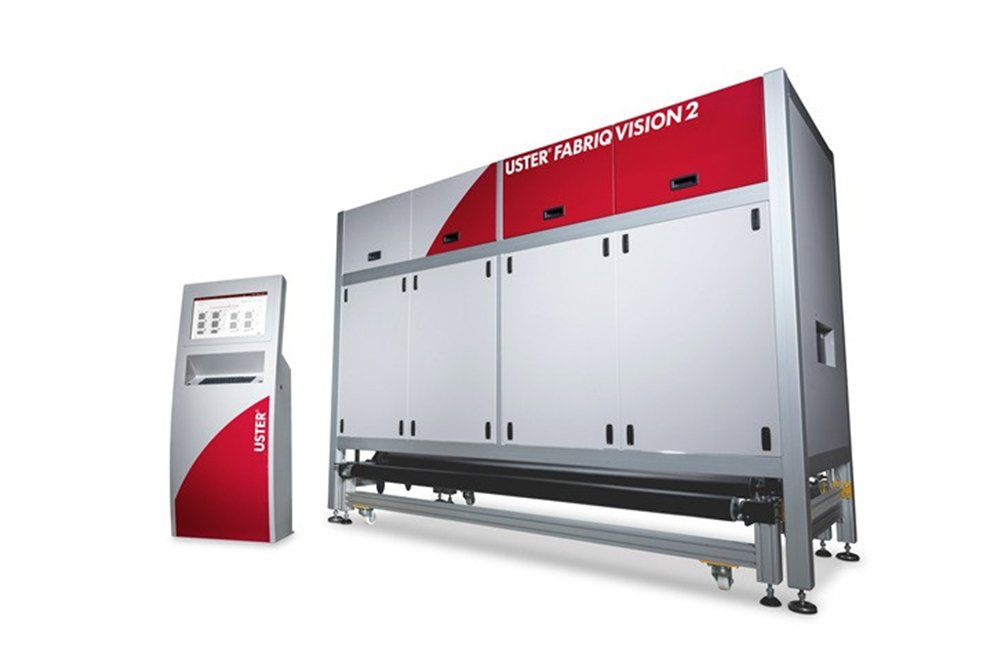
Fabric Vision 2 is designed to solve the real barrier to automation in inspection: not the camera, but the factory’s fear of losing control over quality.
For years, automated fabric inspection has promised more consistency and fewer claims. Yet many mills have stuck with manual inspection, trusting experienced staff over complex systems that seemed difficult to configure and too prone to false alarms. Uster’s new Fabric Vision 2 is aimed squarely at that hesitation.
The Swiss company says the system was built to help producers move from manual to automated inspection without replacing their current quality teams. Instead of requiring specialist technicians, it uses AI-supported style tuning, a guided setup wizard and live fabric images to let existing inspectors define defects and create article settings in under 10 minutes. Machine-learning classification then reduces over-detection, while “Super Inspection” adds higher-sensitivity background detection when needed.
That matters because fabric inspection is a bottleneck where mills still rely heavily on human judgement. Uster’s pitch is not full automation for its own sake, but human-led automation: keep the knowledge of experienced inspectors, automate the repetitive part, and reduce the risk of quality claims. If it works, mills gain higher yield, faster adoption and lower operating cost without the disruption that often accompanies new inspection technology.
Uster will push Fabric Vision 2 again at Techtextil 2026 in Frankfurt, where the real test will be whether mills see it as a practical upgrade rather than another over-engineered promise. In fabric inspection, usability may matter more than AI glamour.

