

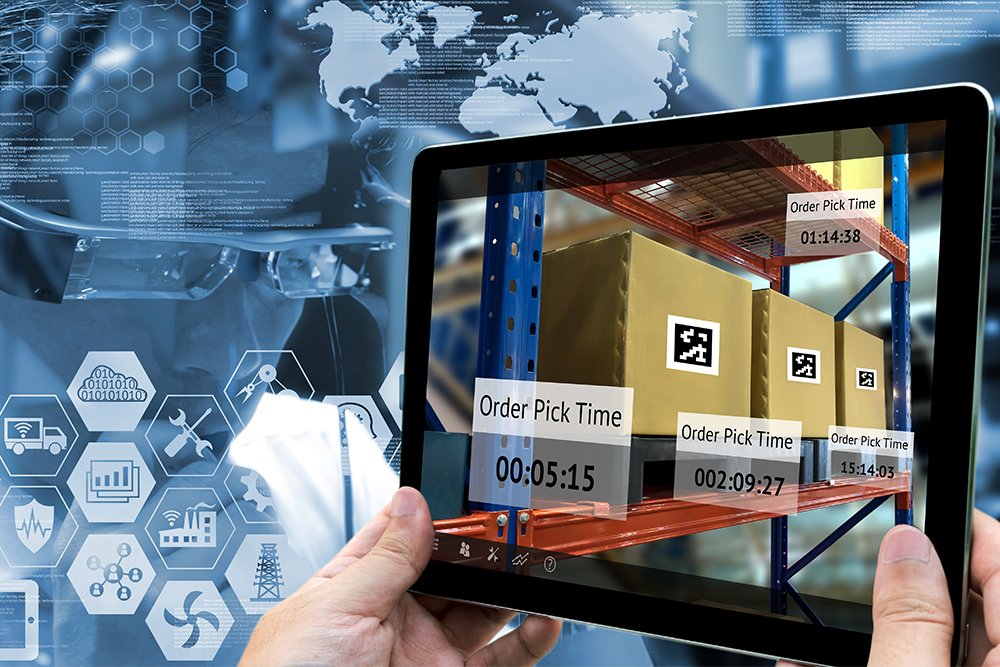
The supply chain disruptions forced brands to go for nearshoring and vertical integration. The luxury brands are expected to step further in 2023 by acquiring supply chains. This will give them greater control and better margins.
Italy led the supply chain mergers and acquisitions which are known for its high-quality craftsmanship. LVMH acquired a majority stake in tannery Heng Long Italy and leather and suede manufacturer Robans Minority stakes) Then Brunello Cucinelli acquired 43 percent shares of knitwear supplier Cariaggi Lanificio, and Chanel acquired a majority stake in knitwear company Paima. These are a few experts who say the trend is set to speed up this year as brands look to differentiate. Luxury brands have realized that their costs and delivery time decrease if they acquire access to unique materials, production techniques, and capacity. Some brands may even be pushed towards forced M&A activities to avoid disruptions in their supply chain due to the macroeconomic context.
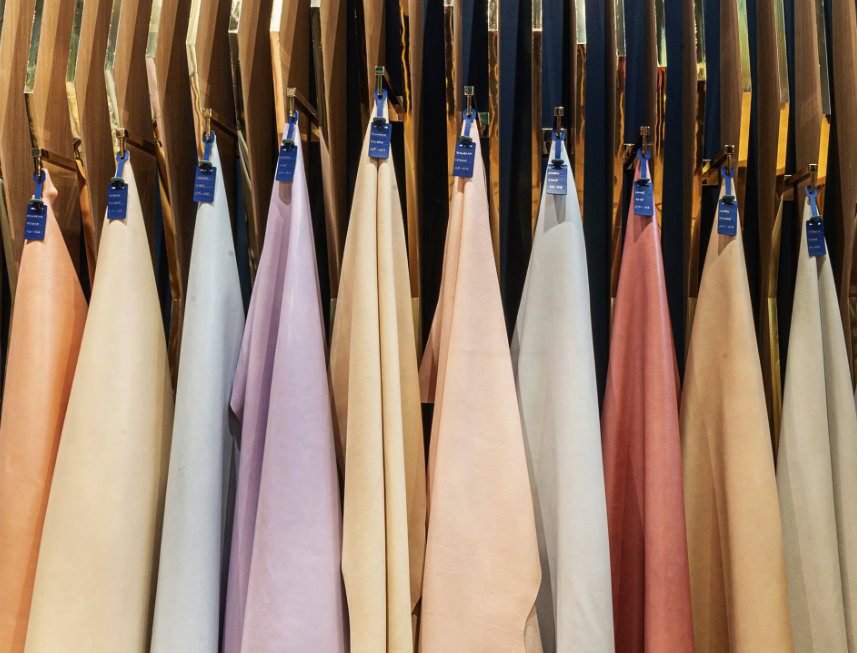
The necessity for nearshoring and acquisition was governed by geopolitical pressures which include soaring energy costs and labor shortages. Under these circumstances, vertically integrated supply chains could have big benefits for brands.
Brands investing in their supply chains have a better understanding of how suppliers operate and manage their own businesses, which leads to greater knowledge in terms of the process and how to improve their own supply chains. Regarding more supply chain acquisitions in 2023, the brand is “constantly scouting opportunities in this direction”.
A representative of Golden Goose revealed that after the supply chain acquisition around 40 percent of its total production will now be in-house. This will enable the brand to oversee a large portion of its supply chain. The acquisitions not only ensure efficiency and transparency, but the in-house supply chain enables the brand to scale up production capacity for its future phase of growth.
Vertical integration can have big advantages for suppliers, too, fostering innovation, digitalization, and sustainability as brands can finance the development of new capabilities that manufacturers may not have been able to finance alone. Despite advantages, the cost of acquisitions can be an obstacle, especially in the current economic climate, as brands are being closely scrutinized by investors and interest rates are high (brands rarely disclose the financial terms of supplier acquisitions).
