

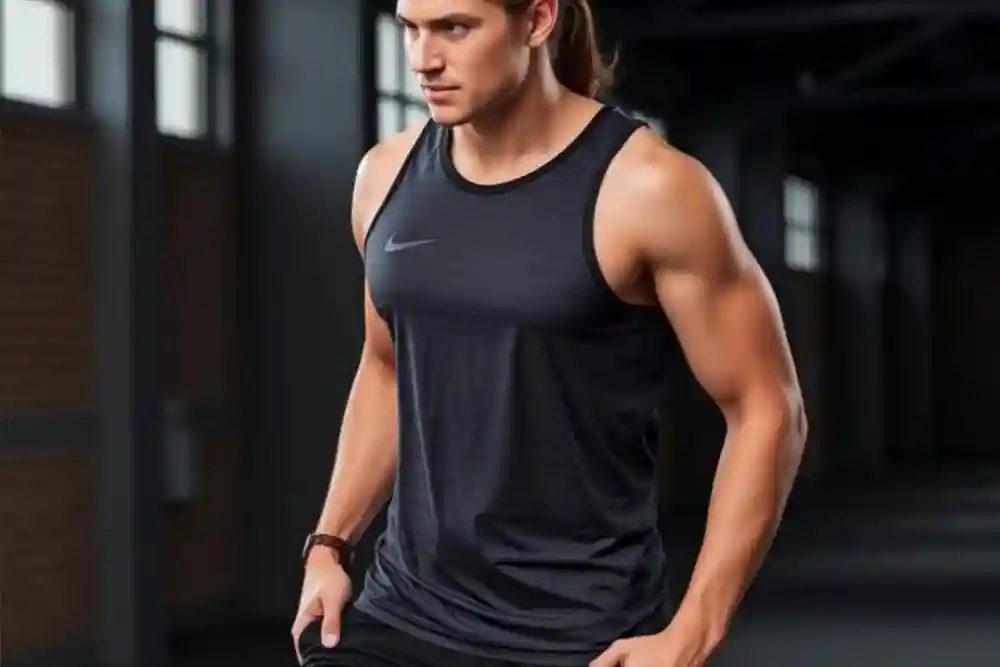
The global fitness clothing market is entering a decisive growth phase, with a new report projecting expansion from USD 149.72 billion in 2026 to USD 241.79 billion by 2032, reflecting a robust 8.0% CAGR, according to the latest study released by Research and Markets on January 16, 2026.
Market at a Glance
Fitness apparel is no longer positioned purely as functional sportswear. It has become a strategic convergence point of performance technology, lifestyle branding, and sustainability, reshaping how global brands design products, manage supply chains, and engage consumers.
Key forecast highlights
- Market size (2026): USD 149.72 billion
- Market size (2032): USD 241.79 billion
- CAGR (2026–2032): ~8.0%
- Growth drivers: Material innovation, digital personalization, sustainability integration, and omnichannel retail strategies
What Is Powering the Growth?
The report identifies several structural forces redefining the competitive landscape:
- Material & Technology Innovation
Advanced fabrics—enhanced breathability, moisture management, stretch, durability, and smart functionality—are elevating fitness clothing from utility to performance-driven lifestyle wear. - Sustainability as a Core Design Variable
Consumers increasingly expect recycled fibers, low-impact dyeing, and transparent sourcing. Sustainability is no longer a marketing layer; it is embedded into product architecture and brand value propositions. - Digital & Omnichannel Acceleration
The blending of online and offline retail continues to reshape purchasing behavior. Brands that integrate digital personalization, data-driven merchandising, and seamless omnichannel experiences are gaining share. - Resilient & Regionalized Sourcing
Geopolitical risk, logistics volatility, and cost pressures are pushing companies to rethink sourcing strategies—balancing scale with flexibility and regional responsiveness.
Strategic Insights from the Report
The analysis delivers granular intelligence across:
- Product categories: Tops, bottoms, outerwear, accessories
- Activity segments: Running, training, yoga, and multi-functional fitness wear
- Materials: Synthetic performance fibers, blends, and sustainable alternatives
- Distribution channels: Online-first, DTC, specialty retail, and hybrid models
- Regional dynamics: Country-level insights to guide market entry and expansion strategies
Strategic Takeaway for Industry Leaders
The report’s conclusion is unambiguous:
Sustained competitive advantage in fitness clothing will belong to companies that align three pillars simultaneously:
- Integrated product innovation (performance + aesthetics + sustainability)
- Resilient, future-proof sourcing models
- Robust omnichannel execution
Firms that treat fitness apparel as a technology-enabled, lifestyle-driven category—rather than a commodity extension of sportswear—are best positioned to capture the next phase of global growth.
In short, the fitness clothing market is no longer about selling garments. It is about engineering performance, trust, and relevance at scale in a $240+ billion opportunity.
