

As America polices forced-labour risk and Europe bans vague green claims, “traceability” is shifting from paperwork to proof.
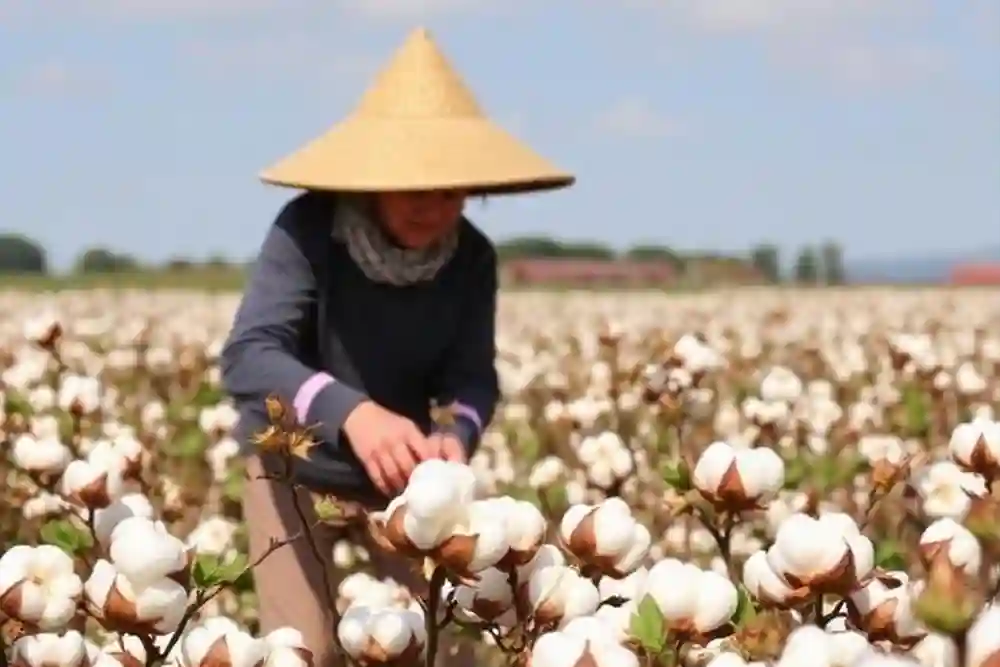
The Uyghur controversy has faded from the front pages, but it has not faded from supply chains. Xinjiang remains the gravitational centre of China’s cotton economy—and a persistent compliance headache for global fashion.
Official data cited by Chinese state outlets show that Xinjiang produced 6.165m tonnes of cotton in 2025, accounting for about 92.8% of China’s total.
In parallel, UN experts warned in January 2026 of a “persistent pattern” of alleged state-imposed forced labour affecting Uyghurs, Tibetans and other minorities, arguing coercion may be severe enough to amount to forcible transfer or even enslavement.
In the US, the UFLPA flips the burden of proof onto importers: goods linked to Xinjiang are presumed tainted unless companies can provide robust evidence otherwise. Washington has continued expanding enforcement tools—adding 37 PRC-based entities to the UFLPA Entity List in January 2025.
In Europe, the Empowering Consumers for the Green Transition rules (Directive 2024/825) tighten the screws on marketing: generic environmental claims are prohibited without recognised, verifiable substantiation.
China’s logistics are improving—Xinjiang’s first “express” cotton freight service began in late January 2026, cutting transit time to eastern hubs. That speeds integration of cotton into complex supply chains—without, by itself, adding independent verification.
