


As bio-based fibres move from lab curiosity to industrial priority, DIENES is pitching modular pilot lines as the bridge between experimentation and scale.
DIENES Apparatebau will use Techtextil 2026 in Frankfurt to showcase pilot-line systems designed for the development of bio-based fibres, highlighting a growing need in technical textiles: how to turn fragile laboratory formulations into reproducible, scalable processes.
What it is showing: modular routes from lab to pilot
The German machinery maker specialises in solvent-based spinning technologies, including wet, dry, gel and reaction spinning, alongside melt spinning and thermal conversion up to carbonisation. At the fair, it will present two product lines: compact LLC systems for early-stage material exploration and digitalised MultiMode® plants for scale-up and small-scale production.
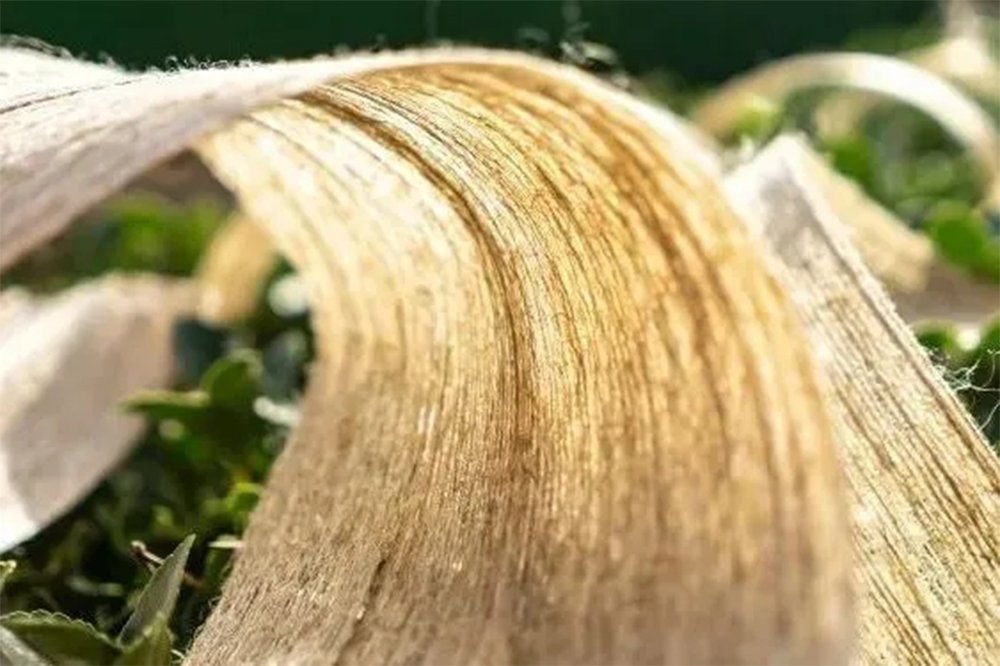
The target materials are those drawing increasing interest from researchers and advanced materials developers—cellulose and its derivatives, chitosan, lignin-based systems and bio-based PAN for carbon-fibre applications.
Why it matters: reproducibility is becoming the bottleneck
For bio-based fibres, the problem is rarely just invention. Feedstock variability, narrow process windows and changing solvent systems make consistent results difficult. That raises the value of modular, data-rich setups that can be reconfigured quickly while preserving traceability.
What comes next: better data, faster industrial decisions
DIENES’ pitch is that flexible pilot infrastructure can shorten the path from proof of concept to investment-ready production. For research institutes and industrial R&D teams, that means less guesswork, clearer parameter studies and a more credible route to commercialisation.
