

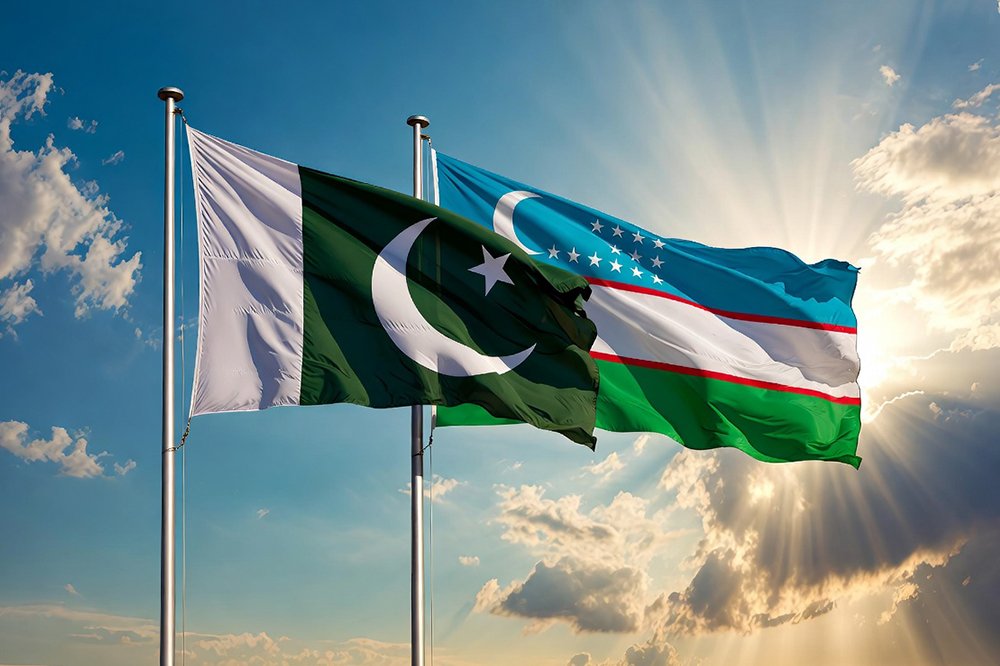
The latest industry-level talks point to a practical agenda centred on hosiery exports, joint ventures and better business connectivity, but the bigger prize remains supply-chain integration between Pakistani manufacturing and Uzbek raw materials.
Pakistan and Uzbekistan are taking another step toward closer textile cooperation, following talks in Islamabad between a delegation from the Pakistan Hosiery Manufacturers and Exporters Association (PHMA) and Uzbek diplomats led by Ambassador Alisher Tukhtaev. According to reports on the meeting, discussions focused on expanding trade in hosiery, garments and other value-added textile products, while also exploring joint ventures and stronger business-to-business ties.
The commercial logic is clear. Pakistan brings established export capabilities in value-added textile manufacturing, especially in knitted and hosiery categories, while Uzbekistan offers a growing textile base, raw material depth and a government-backed push to move further up the value chain. Reporting from Uzbekistan’s international media and diplomatic channels suggests Tashkent is actively promoting partnerships with Pakistani textile players as part of a broader effort to attract industrial collaboration and deepen processing of its cotton and textile resources.
A wider bilateral framework is already in place
The PHMA meeting is not happening in isolation. In February 2026, Pakistan and Uzbekistan signed 28 accords and reaffirmed a $2 billion bilateral trade target, creating a broader political framework for sector-specific commercial follow-through. That gives textile cooperation a more concrete policy backdrop than many routine trade meetings enjoy.
What matters next
The value of the latest engagement will depend on whether it moves beyond diplomatic goodwill into executable projects. Trade delegation exchanges, exhibition participation and market access discussions are useful first steps, but the real test will be whether they produce sourcing partnerships, production alliances or investment decisions.
For Pakistan’s textile exporters, Uzbekistan offers more than a new sales destination. It could become part of a broader regional supply-chain strategy linking raw materials, manufacturing capacity and Central Asian market access. For Uzbekistan, Pakistani hosiery and garment expertise offers a route to accelerate value addition rather than exporting raw or semi-processed inputs alone.
