

New cylinder, doffer and flat-top developments aim to help mills process variable cotton and recycled fibres without sacrificing quality or productivity.
Trützschler Card Clothing has introduced three developments designed to improve carding stability, yarn quality and operating efficiency: the GX SeedClean cylinder wire, T42.40° doffer wire and STEELTOP metallic-wire flat tops. The technologies target mills facing more variable cotton quality, rising recycled-fibre use and pressure to increase card output without widening yarn-quality variation.
Cleaner carding with difficult cotton
GX SeedClean is intended for cotton applications where seed-coat neps and trash are persistent quality risks. Trützschler says the design improves contaminant removal while maintaining fibre control, giving mills greater flexibility to use machine-picked or lower-cost cotton. In field comparisons cited by the company, the 951GX version produced fewer seed-coat neps and improved yarn imperfection index results against reference clothings.
The T42.40° doffer wire focuses on fibre transfer from cylinder to doffer. Company trials reported 17% fewer total imperfections and 37% fewer A1 faults than its standard T40.30° wire. Another test increased card production from 115 kilograms per hour to 125 kilograms per hour without a reported quality loss.
Flat tops built for higher stress
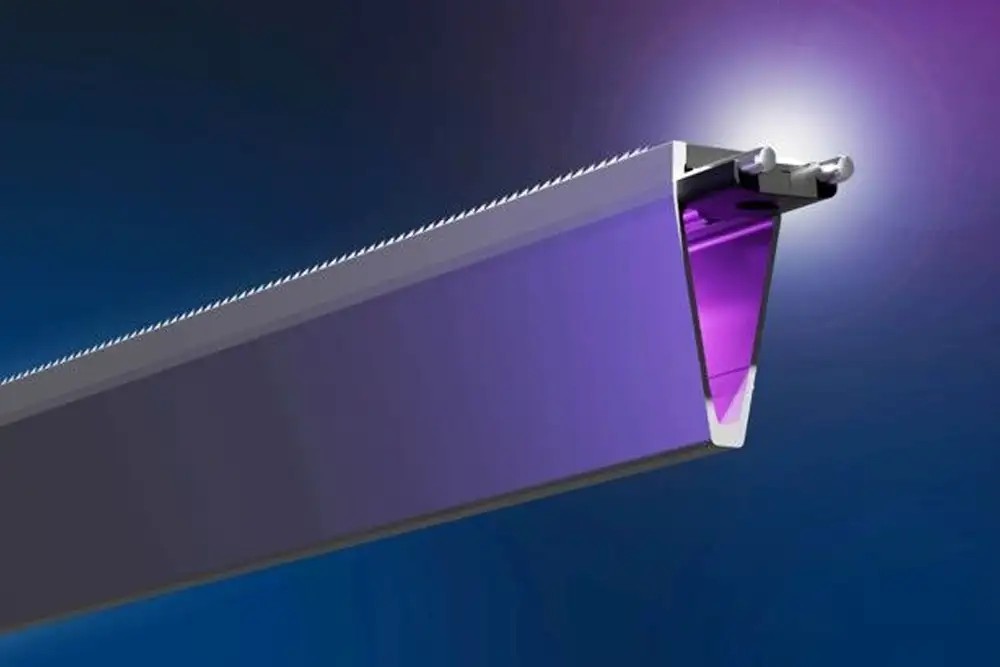
STEELTOP is manufactured entirely from steel and is designed for high-speed carding, tighter settings, lower-grade fibres and recycled-content blends. Trützschler’s official data indicate more than double the service life of conventional alternatives and replacement-cost savings exceeding 30%. The company also reports reductions of up to 10% in total yarn imperfections and 20% in neps, alongside lower card current consumption. The steel construction makes the flat tops fully recyclable.
The mill-economics test
For Bangladesh and other high-volume spinning markets, the commercial case extends beyond yarn quality. Longer clothing life, fewer stoppages, reduced maintenance, improved raw-material flexibility and higher output can lower conversion cost per kilogram.
The decisive evidence will come from mill trials across different cotton origins, recycled blends, counts and card models. Spinners should compare IPI, nep removal, waste extraction, energy per kilogram, clothing life and downstream end-break performance before adopting the technologies at scale.
