

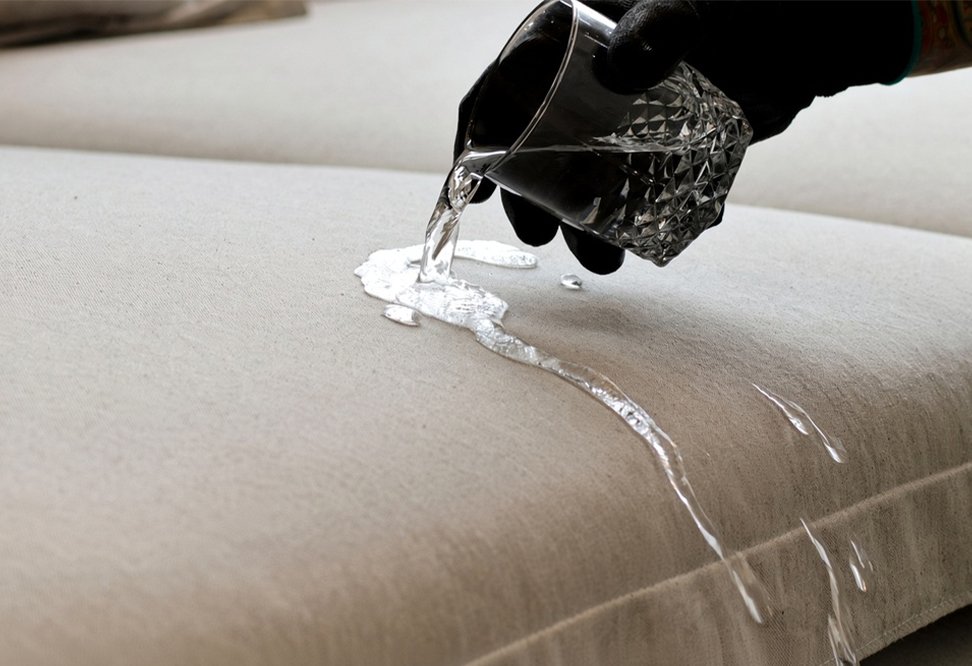
Transparency Market Research expects demand to double from 2023 levels, with C0 water-repellent finishes gaining strategic importance as regulators tighten restrictions on fluorinated textile chemistry.
The global market for textile waterproofing and water-repellent agents is forecast to reach $1.8 billion by 2034, up from $900 million in 2023, according to Transparency Market Research (TMR). The projection implies a 6.2% CAGR from 2024 to 2034, driven by outdoor apparel, sportswear and growing demand for lower-impact finishing chemistry.
C0 chemistry moves to the centre
TMR divides the market into C8, C6 and C0 agents. C8 and C6 technologies contain fluorine, while C0 systems are generally marketed as fluorine-free alternatives for achieving durable water repellency.
Regulatory pressure is accelerating that transition. California has prohibited regulated PFAS in most new textile articles since January 1, 2025, while severe-wet-condition outdoor apparel has a temporary exemption until 2028.
Europe is moving in the same direction. Restrictions on PFHxA and related substances began applying to specified consumer uses in April 2026, including consumer textiles such as rain jackets, while ECHA continues work on a much broader PFAS restriction proposal.
Outdoor and performance textiles drive demand
TMR identifies outdoor participation and performance clothing as key growth drivers. Waterproofing chemistry is used across polyester, polyamide, cotton, wool and blended fabrics, with applications extending from outdoor apparel and sportswear to protective clothing, automotive textiles and home furnishings. Asia-Pacific was the largest regional market in 2023.
The competitive challenge is increasingly technical. Fluorinated finishes historically offered strong water, oil and stain repellency, while fluorine-free chemistries must reproduce sufficient durability, breathability and wash resistance without those substances. A 2026 scientific review similarly identifies performance, cost and environmental impact as the central trade-offs facing fluorine-free technologies.
Finishing chemistry becomes a compliance decision
For textile mills, the growth opportunity is therefore not simply higher chemical consumption. It is a technology substitution cycle.
Suppliers that can deliver PFAS-free repellency with acceptable spray ratings, hydrostatic resistance, wash durability, hand feel, breathability and cost per metre should benefit most. As regulations tighten, finishing chemistry will increasingly influence not only fabric performance but also market access and brand compliance.
