

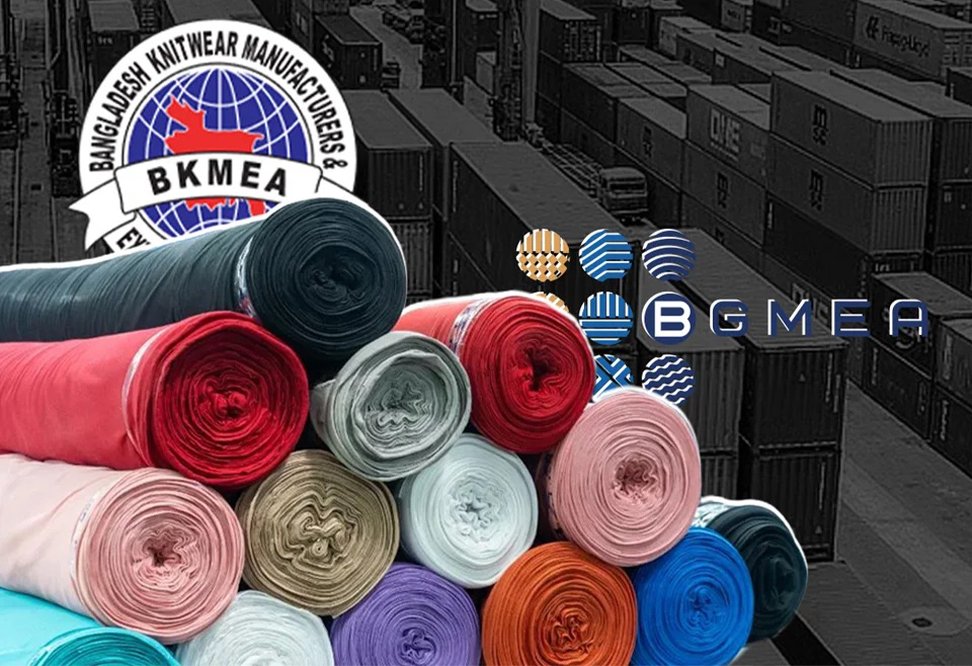
Dhaka has reversed a controversial knit-fabric restriction within weeks of launching a broader import regime designed to give exporters more procurement options.
Bangladesh has abolished a new restriction on knit-fabric imports, responding rapidly to objections from garment exporters while retaining the wider liberalisation introduced under its Import Policy Order 2026–2029.
The Commerce Ministry issued an amendment on September 8, cancelling Sub-clause 12 of Article 25, which had stated that knit fabrics were not importable. The original policy was gazetted on August 24.
Exporters win on fabric sourcing
BGMEA, BKMEA and the Bangladesh Garment Buying House Association had warned that restricting imported knit fabrics could raise costs, increase lead times and make it harder to meet buyer requirements for specialised constructions, colours, designs, functional fabrics and technical performance.
Industry estimates cited by The Business Standard indicate that domestic mills already supply roughly 80% of the yarn and fabric required by Bangladesh’s knitwear industry, but exporters argue that imported materials remain essential where local capacity cannot meet particular price, specification or delivery requirements.
Procurement rules become more flexible
The wider Import Policy Order represents a significant liberalisation. It removes the previous $500,000 annual ceiling on imports made through sales or purchase contracts without letters of credit, while retaining LC-based procurement.
The framework also expands free-of-cost imports for exporters, establishes provisions for free-trade zones and central bonded warehouses, and continues bonded and back-to-back LC facilities for major export-oriented industries.
Protection and flexibility collide
Bangladesh’s sourcing policy is nevertheless moving in two directions. On September 7, the National Board of Revenue separately withdrew normal duty-free bonded import privileges for 10–30 count cotton yarn. Genuine exporters can still import those counts, but must provide a 100% bank guarantee covering applicable duties and taxes. Textile mills welcomed the protection; BGMEA and BKMEA have demanded its reversal.
The policy debate therefore goes beyond imports versus domestic production. Bangladesh must balance its large backward-linkage textile investment with the speed, price flexibility and material choice demanded by global buyers. The rapid reversal of the knit-fabric provision suggests export competitiveness will remain the decisive test.
