

DOST-PTRI is moving Philippine fibres beyond conventional apparel into automotive, construction, agriculture, footwear and interiors, backed by a dedicated Nonwovens Center opening in 2027.
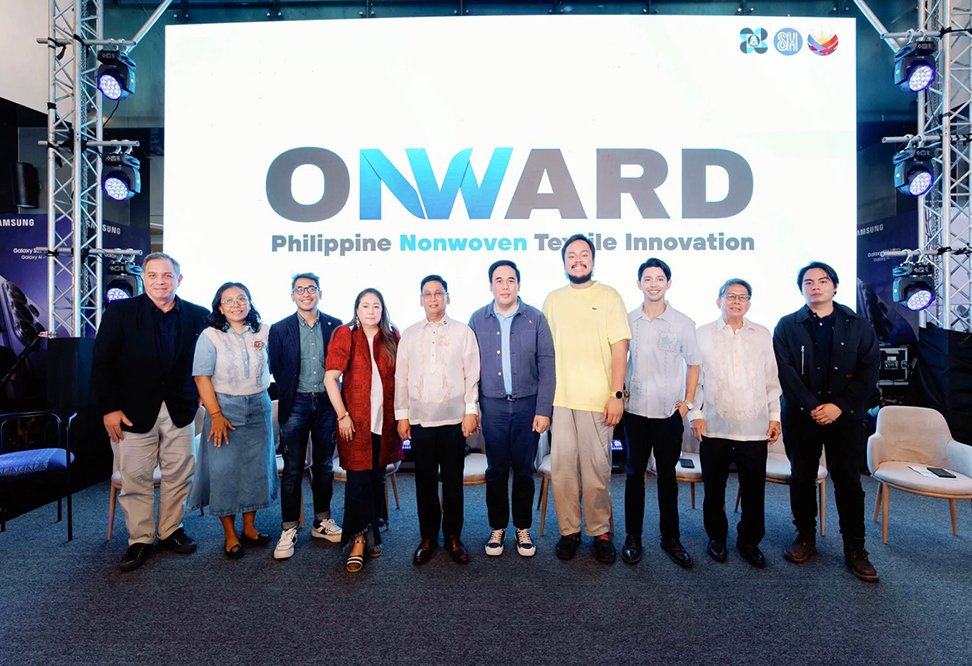
The Philippines is seeking to build a domestic natural-fibre nonwovens industry through ONWARD: Philippine Nonwoven Textile Innovation, a programme led by the Department of Science and Technology–Philippine Textile Research Institute (DOST-PTRI).
Launched on July 1, ONWARD has already brought together nine local manufacturers and product-development partners to commercialise nonwoven materials made from Philippine natural fibres. Target applications span furniture, transportation, agriculture, construction, footwear, fashion and healthcare.
From banana fibre to vehicle interiors
The programme demonstrates how agricultural and locally available fibres can move into higher-value technical applications.
Jed Yabut Furniture & Design has used banana-based nonwovens in chair cushions and pineapple fibres in decorative components. Sarao Motors is testing nonwovens for jeepney upholstery and seat reinforcement, with potential applications in dashboards, door panels and ceilings. Fivecent Global is exploring agricultural packaging and mulching, while Creative Definitions has incorporated the materials into shoe uppers and insoles.
DOST-PTRI has separately identified fibres and residues including banana pseudostems, pineapple leaves, bamboo and water hyacinth as potential feedstocks for lower-plastic nonwoven applications.
Commercialisation infrastructure follows
The next step is industrial capability. DOST-PTRI plans to open a dedicated Nonwovens Center in January 2027, equipped with specialised processing machinery and designed to operate as a research laboratory, innovation hub, showroom and collaboration space for companies, startups and researchers.
DOST estimates the global nonwovens market at around $58 billion, with potential to reach $75 billion.
Technical textiles become the bigger prize
For the Philippine textile sector, ONWARD represents a shift from using indigenous fibres mainly in woven apparel toward engineered materials with functional and industrial applications.
The commercial test will be whether local natural-fibre nonwovens can achieve consistent performance, scale, cost competitiveness and certification against established synthetic alternatives. If successful, ONWARD could create new demand for fibre preparation, carding, needle-punching, wet-laid and finishing technologies while giving agricultural residues a higher-value route into manufacturing.
