

Oil-linked raw material costs are rising across polyester, dyes, chemicals and footwear inputs, exposing fast-fashion supply chains to another inflationary squeeze.
The Iran war is pushing up fossil-fuel-linked costs across Asia’s textile and apparel supply chain, with polyester producers, fabric mills and garment suppliers in India and Bangladesh facing higher input prices and weaker production visibility. The pressure is significant because polyester, derived from petrochemical inputs, accounts for about 59% of global fibre production and remains central to fast-fashion sourcing.
Polyester costs climb
Indian polyester yarn manufacturer Filatex is facing input cost increases of nearly 30% for petroleum-based raw materials such as purified terephthalic acid and monoethylene glycol, according to Reuters. Supply disruptions in the Middle East and higher prices from Chinese suppliers have tightened availability, adding cost pressure to mills already operating on thin margins.
Wood Mackenzie data cited in the report showed polyester staple fibre prices in India rising from 100 rupees per kilogram at the end of February to 126.5 rupees a month later. Prices eased after India reduced import tariffs on petrochemical inputs, but remained elevated at about 120 rupees by April 9. China, the world’s largest polyester producer, has also seen price increases.
Surat feels the squeeze
The disruption is already visible in Surat, one of India’s major synthetic textile hubs. Radheshyam Textile has kept half of its 200 industrial looms idle since the conflict began in late February, with daily output falling from 10,000 metres to 3,500–4,000 metres. Its owner has stopped new yarn purchases because passing on costs would require price rises of about 15%, which customers may reject.
Dyeing and printing units are also cutting operating days as energy, dyes and chemicals become more expensive. Shortages of cooking gas have added another constraint by prompting some migrant workers to leave Surat, weakening labour availability.
Retailers are shielded, but not immune
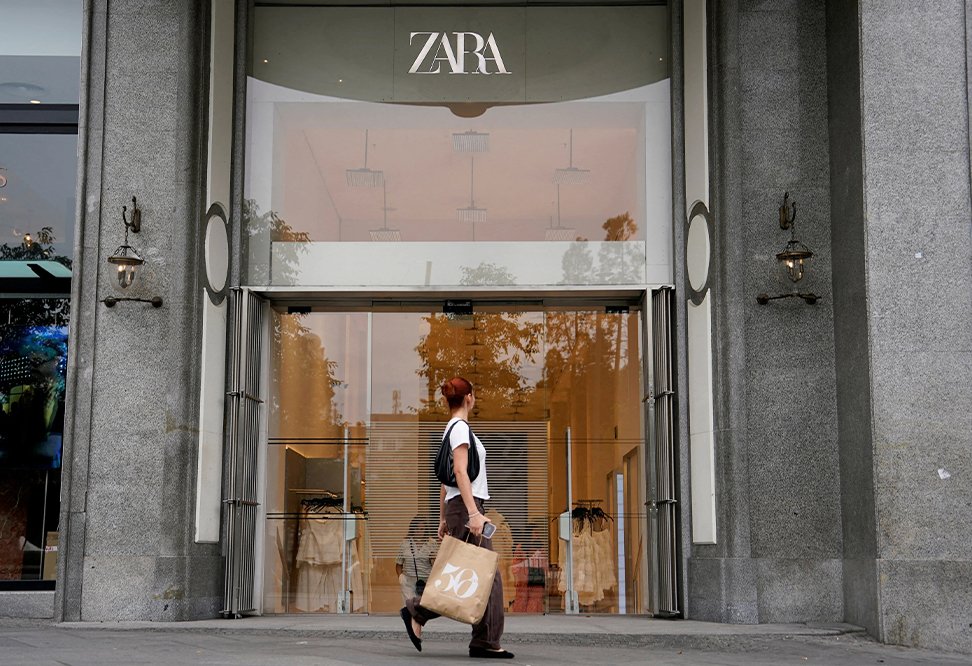
Large retailers including Zara, H&M and Primark may avoid immediate disruption because of forward buying. Primark says its spring-summer inventory and much of its autumn-winter stock are already covered. H&M expects possible price increases from Bangladeshi suppliers but does not yet see major production disruption.
The risk is delayed rather than avoided. If oil-linked costs remain high, suppliers will push harder for price revisions, while retailers face tighter margins or higher consumer prices. Recycled polyester offers some insulation, but it still represents only about 12% of global production. The next pressure point will be whether brands absorb costs, renegotiate orders, or pass inflation to consumers.
