

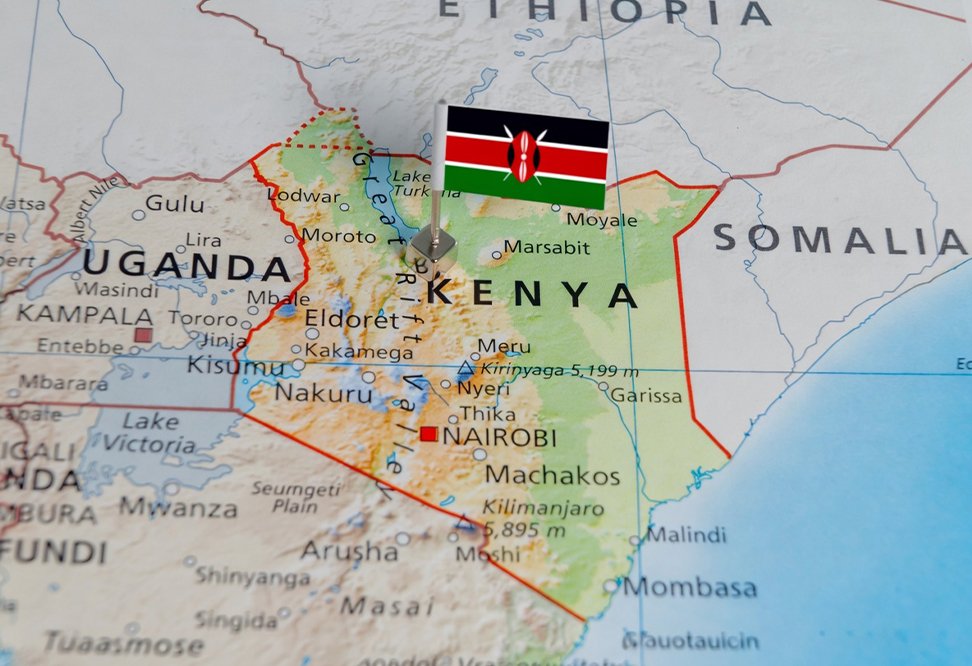
ASFW Nairobi highlights Kenya’s rising appeal as brands diversify sourcing, but the country’s next test is scaling textile mills, not only garment capacity.
Kenya is emerging as one of Africa’s strongest contenders for textile, apparel, leather and fashion investment as global brands look beyond traditional Asian sourcing hubs. The fifth Africa Sourcing and Fashion Week Nairobi, held from 30 April to 2 May 2026 at the Sarit Expo Centre, has sharpened that message by positioning the country as a gateway to East African manufacturing and regional value chains.
A sourcing platform with regional weight
ASFW Nairobi 2026 is being presented as Africa’s major sourcing expo for textiles, apparel, leather and fashion, with the official event platform listing 200+ exhibitors, 30+ countries represented and 5,000+ expected visitors. Participating countries include Bangladesh, China, Ethiopia, Germany, India, Italy, Japan, Kenya, Rwanda, Tanzania, Türkiye, the UAE, Uganda and the UK.
The event’s investment message is clear: Africa is no longer only a consumer market for fashion, but an emerging production base. ASFW’s own materials describe Kenya as a strategic hub for textile and leather value chains, supported by special economic zones, export processing zones and modern industrial parks.
The investment gap is large
Kenya already has an export foundation. ASFW’s 2026 folder says apparel exports under AGOA reached over USD 500 million in 2023, while Invest Kenya’s textile and apparel sector pack sets out an ambition to build a USD 2 billion textile and apparel sector by 2035.
But the upstream gap remains significant. Kenya currently imports about KES 129 billion worth of textiles annually, while MITI-linked projections indicate KES 58 billion to KES 97 billion in new textile mill investment may be needed by 2030 to substitute imports and supply expanding apparel factories. Near-term apparel export potential is estimated at KES 58 billion to KES 75 billion, while the domestic apparel market is forecast at about KES 32 billion.
From apparel base to textile powerhouse
The strategic opportunity lies in moving from cut-make-trim capacity toward deeper textile production: spinning, weaving, knitting, dyeing, finishing, accessories and compliant industrial parks. That would improve local value addition, reduce import dependence, shorten lead times and strengthen Kenya’s appeal to buyers seeking diversified and sustainable sourcing.
The next signal to watch is whether investor interest converts into operational mills, reliable utilities, trained labour, compliant processing capacity and export-ready supplier ecosystems. Without that, Kenya may win attention; with it, it could become a serious African textile powerhouse.
