

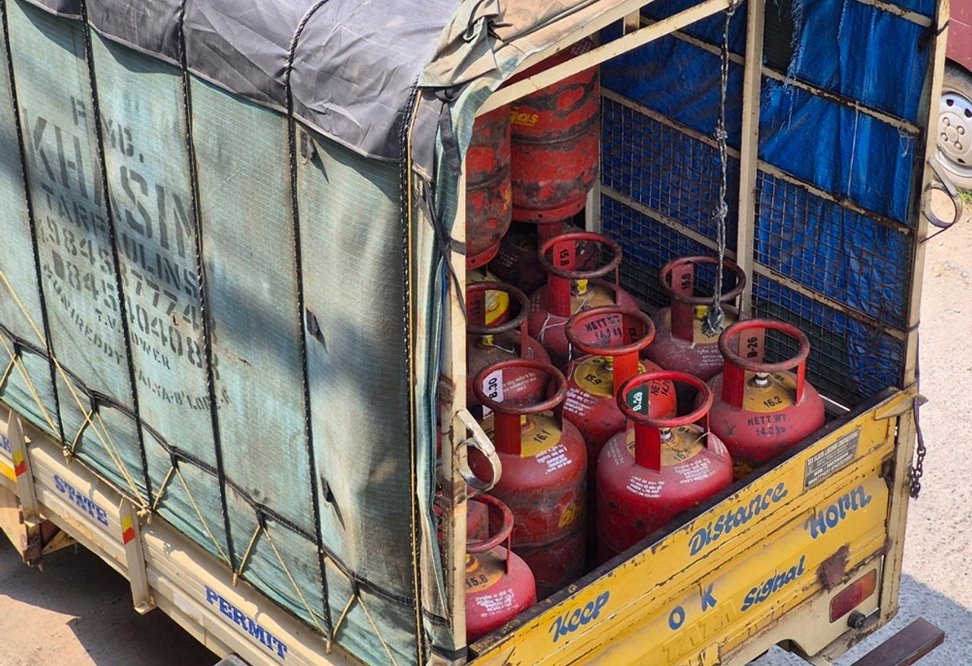
The steep rise in commercial LPG prices has hit export hubs such as Tirupur and Noida at a difficult moment, with buyers pressing for lower prices while factories face higher energy and wage costs.
India’s textile and apparel exporters are facing a fresh cost shock after commercial LPG cylinder prices were raised by ₹993 on May 1, taking the price of a 19-kg cylinder in Delhi to ₹3,071.50. The increase, linked to elevated international energy prices, has raised operating costs for units that use LPG in dyeing, finishing, steam generation and other heat-intensive processes.
Export contracts leave little room
The pressure is sharper for export-oriented factories because many operate under forward contracts where prices are already fixed. That leaves limited scope to pass higher fuel costs to overseas buyers, especially when global customers are demanding sharper prices amid weak retail conditions and intense competition from other Asian sourcing markets.
Tirupur, India’s major knitwear export hub, is particularly exposed. The cluster ships roughly ₹35,000–40,000 crore worth of knitwear annually and includes about 2,000 garment exporting units. For smaller exporters, even a modest rise in per-unit processing cost can erode already thin margins and weaken competitiveness in price-sensitive orders.
Noida faces a double burden
For Noida-based apparel exporters, the LPG increase has come on top of higher labour costs. Uttar Pradesh revised minimum wages effective April 2026, raising monthly wages in Gautam Budh Nagar and Ghaziabad to ₹13,690 for unskilled workers, ₹15,059 for semi-skilled workers and ₹16,868 for skilled workers. Previous rates were ₹11,313, ₹12,445 and ₹13,940, respectively.
The combined increase in energy and labour costs is especially difficult for small and medium units, where productivity gains have not kept pace with wage inflation. Exporters warn that if input costs continue to rise without relief, orders could shift to competing countries, affecting factory utilisation and foreign-exchange earnings.
Industrial LPG demand is rising
India’s industrial LPG use has also expanded. Bulk LPG sales to industry rose 47% year on year to 1.149 million metric tonnes in FY26, although the segment still accounts for only about 4% of total public-sector oil company sales.
The next pressure point will be buyer negotiations. Unless exporters can secure price adjustments, energy-efficiency gains or alternative fuel arrangements, the LPG shock could translate directly into lower margins across India’s textile export clusters.
