

The proposal could turn Pakistan–Turkmenistan textile trade from yarn buying into deeper industrial cooperation.
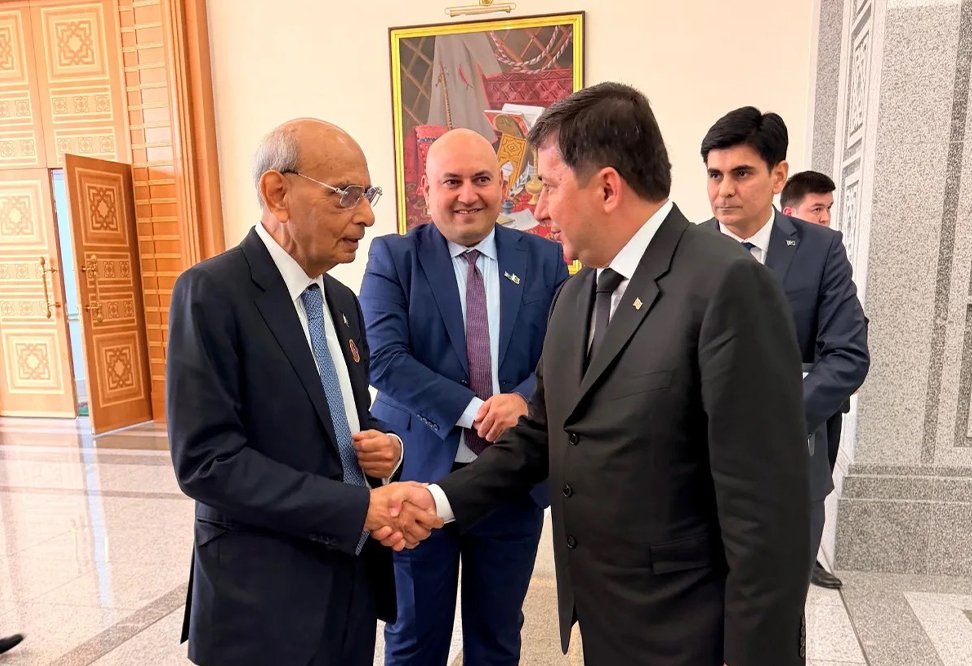
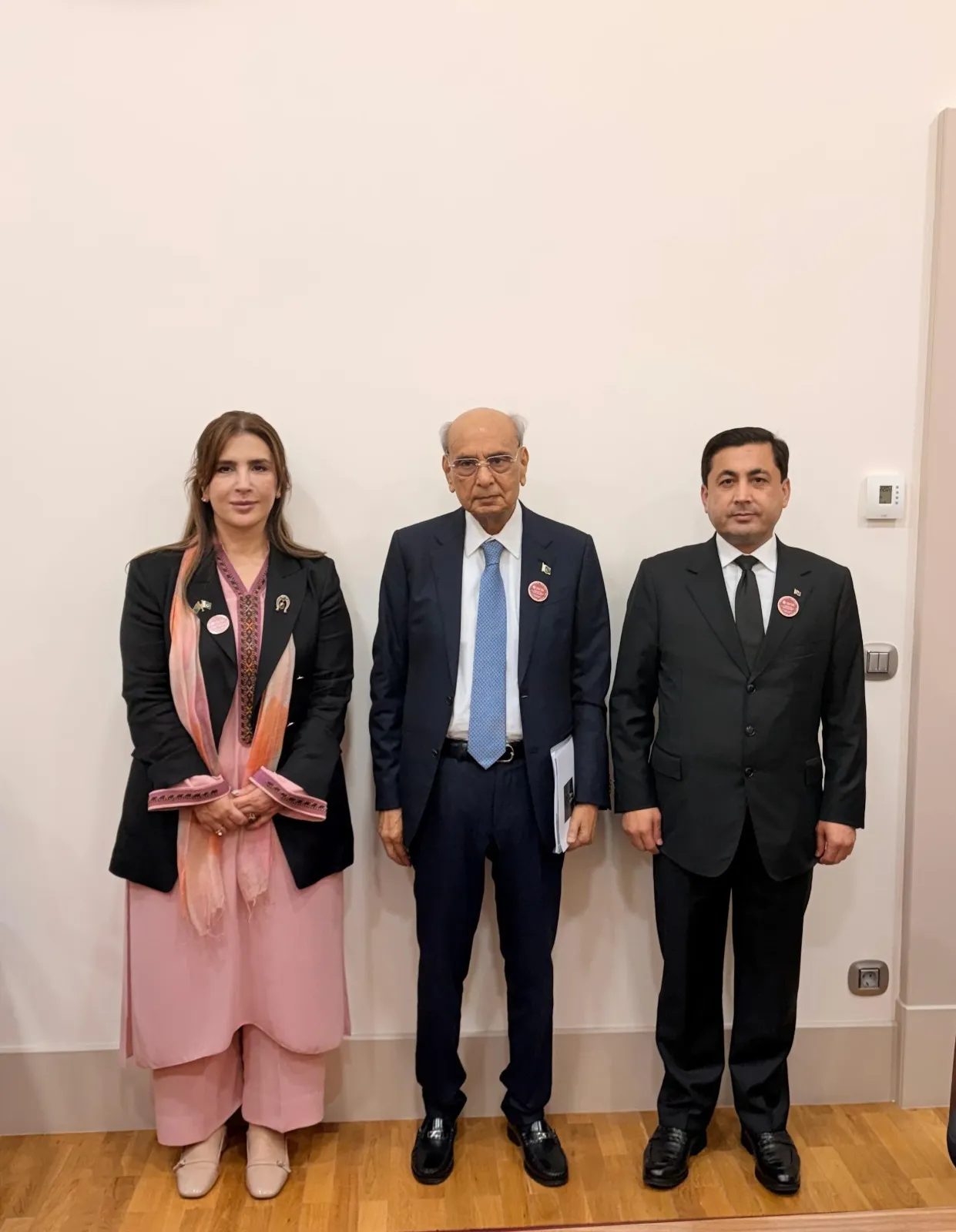
Pakistan’s Nishat Group has proposed establishing a manufacturing facility in Turkmenistan and building direct trade links with local textile enterprises, as one of Pakistan’s largest business groups looks to deepen sourcing and investment ties with the Central Asian cotton economy. The proposal was discussed during Turkmen Textile Expo 2026, held on June 4, where Nishat Group and MCB Chairman Mian Mohammad Mansha joined Pakistan’s Ambassador to Turkmenistan Faryal Leghari for meetings with senior Turkmen officials.
From yarn imports to industrial presence
The commercial logic is clear. Nishat already imports high-quality Turkmen yarn for finished products, particularly home textiles destined for international markets. By proposing a production facility inside Turkmenistan, the group is signaling interest in moving beyond transactional sourcing toward a more integrated supply chain.
A direct sourcing model would also reduce reliance on intermediaries, improve procurement visibility, and potentially strengthen fiber-to-fabric traceability—an increasingly important requirement for export markets.
Wider investment agenda
The meetings were not limited to textiles. Mansha also proposed building a data center in Turkmenistan, citing favourable electricity tariffs, and expressed interest in investment in the construction sector. He also offered to open a branch of Muslim Commercial Bank in the country; Pakistan’s National Bank had previously operated a branch in Turkmenistan.
For Turkmenistan, the proposals align with efforts to attract foreign participation into industry, logistics, finance and value-added production. For Pakistan, they create a potential route to secure cotton-based inputs, diversify regional industrial partnerships and build commercial presence in Central Asia.
Connectivity remains the test
Both sides also discussed developing air-freight services for textile products and resuming direct air links between Pakistan and Turkmenistan. These are not secondary issues: without reliable logistics, even strong sourcing relationships can remain small and irregular.
The next signal to watch is whether Nishat’s engagement leads to factory visits, a formal investment proposal, or a government-backed facilitation framework. If implemented, the initiative could become a practical model for Pakistan–Central Asia textile cooperation—linking Turkmen raw-material strength with Pakistan’s export-oriented textile manufacturing base.
