

The move highlights how Pakistan’s spinning sector is increasingly turning to captive solar as a cost-control tool in a high-tariff power environment.
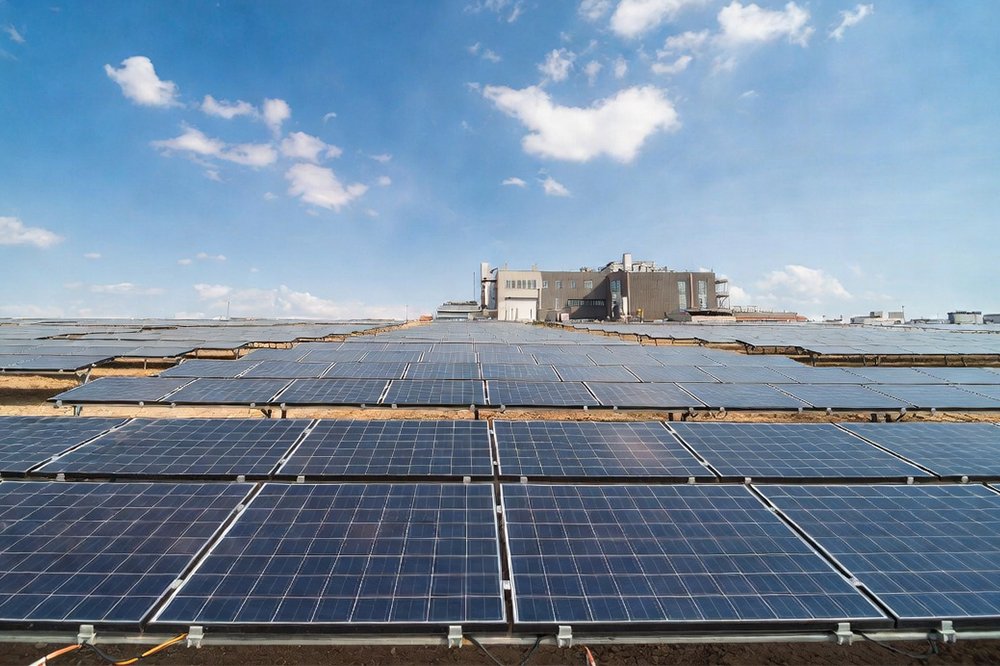
Saif Textile Mills has commissioned a 10-megawatt solar power project at its manufacturing facility in Gadoon Amazai, Swabi, adding another example of how Pakistani textile producers are using renewable energy to reduce grid dependence and protect profitability. The company disclosed the project’s completion to the Pakistan Stock Exchange, saying the system has now been successfully installed and commissioned.
The strategic logic is straightforward. Power remains one of the biggest cost pressures for Pakistan’s spinning and textile industry, and Saif said the new solar installation is expected to reduce reliance on grid electricity, partially shield the company from rising energy tariffs, and improve production costs and operating margins over time. The project also fits into the company’s stated push for better energy efficiency and more sustainable operations.
This was not an overnight move. Saif had earlier signed a contract with SkyElectric (Private) Limited in September 2025 for the supply and installation of the same 10MW solar system, and later indicated in its annual reporting that the plant was expected to become operational by January 2026. The commissioning now confirms that the investment has moved from plan to production asset.
For the wider industry, the significance goes beyond one company. Pakistan’s textile mills have been under sustained pressure from expensive electricity, volatile fuel economics and weak margins, making self-generation and alternative energy increasingly central to competitiveness. In that context, solar is not just a sustainability gesture. It is becoming part of industrial survival strategy.
Saif Textile, incorporated in 1989, is principally engaged in the manufacture and sale of yarn. The company says the solar project should also contribute to lowering its carbon footprint, linking cost discipline with environmental positioning.
