

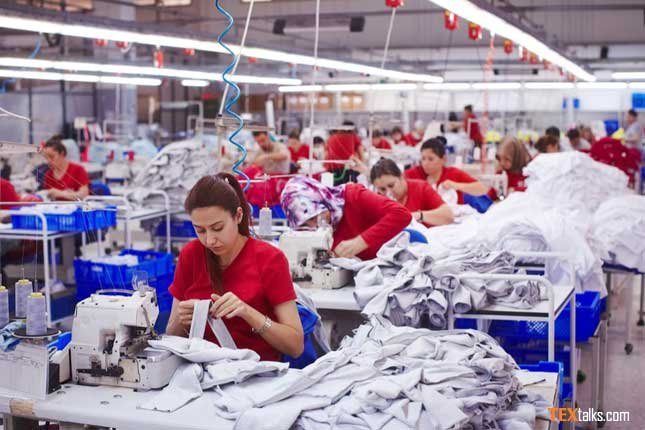
A humanitarian crisis is unfolding in Bangladesh, with the fate of 4.1 million garment workers in the hands of western fashion brands, who have reportedly cancelled over $2.8 billion in orders as the COVID-19 crisis escalates. The novel coronavirus pandemic has led to worldwide store closures and now many brands are refusing to accept completed garment orders, which they would no doubt struggle to sell during the current global lockdowns. According to the Rubana Huq, President Bangladesh Garment Manufacturers and Exporters Association (BGMEA) , many garment factories in Bangladesh have received impersonal corporate emails from brands cancelling garment orders, and have subsequently ceased communication with factories altogether.
A survey of 319 garment factory owners in Bangladesh conducted by the Center for Global Workers’ Rights between March 21 and 25, revealed that when cancelling orders, over 72% of buyers refused to pay for raw materials (fabric, etc.) already purchased by the supplier. Over 91% of buyers refused to pay for the cut make-trim cost (production cost) of the supplier. “As a result of order cancellations and lack of payment, 58% of factories surveyed report having to shut down most or all of their operations.”
The Center for Global Workers’ Rights concluded that the responsible approach is for brands and retailers to find ways to access lines of credits or other forms of government support to cover their obligations to supplier factories so that they can cover their expenses and pay their workers, in order to avoid sending millions of workers home with no ability to put food on the table, let alone cover medical expenses.
Crucially, manufacturers are able to access lines of credit from banks to pay overheads and garment workers if they are in possession of either export documents (which many brands are refusing to agree to), or a pledge from the brands to make good on their payment commitments, with revised terms, and accept shipment at a later date of their choosing.
The Bangladesh RMG industry is the backbone of its economy, accounting for over 80% of the country’s exports. It competes successfully on price, operating at large volumes with small margins per unit. It also has some of the world’s cheapest labour, with the legal minimum monthly salary for garment workers being TK8,000 (around $96). This has left factories, garment workers and the country devastatingly exposed, with no indication of when they will receive future orders or payments. It is reasonable that brands would cancel future orders at such a volatile time.
With brands facing huge losses, the government may announce support, but that shouldn’t deter brands from fulfilling their obligations. This is a bilateral agreement (between brands and manufacturers) without government involvement. The government has since announced a stimulus package worth TK500 billion ($5.9 million) aimed at helping export-oriented industries to counter the economic impact of the coronavirus pandemic. At the time of going to print, no additional brands had come forward to pledge to meet their order agreement obligations

