

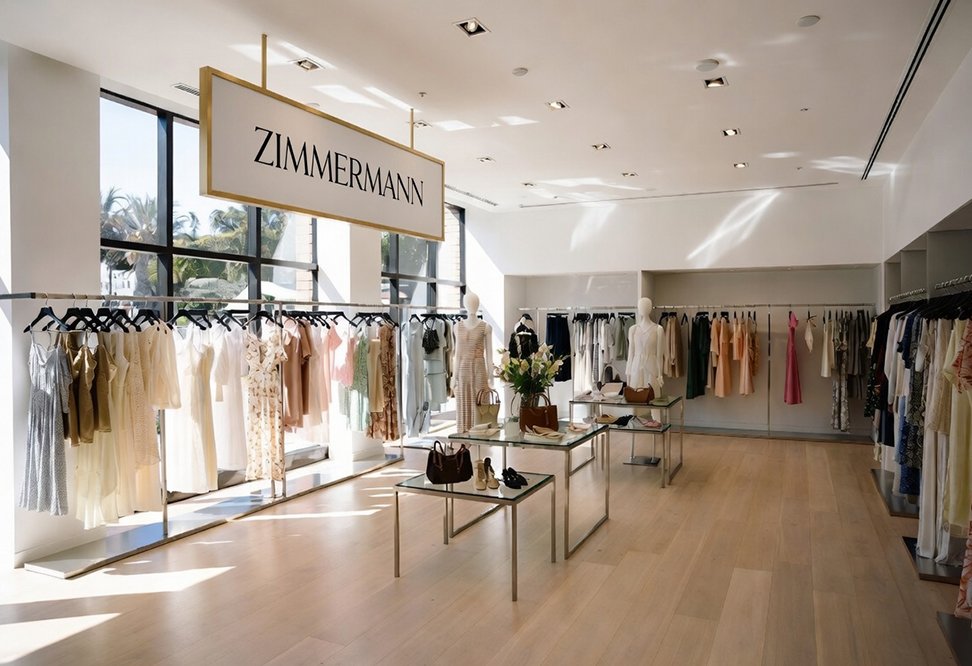
Australia’s apparel sector is no longer expanding only through consumption; growth is increasingly tied to e-commerce, circularity, AI-enabled retail and renewed interest in domestic manufacturing.
Australia’s fashion and apparel market reached USD 38.9 billion in 2025 and is forecast to grow to USD 55.2 billion by 2034, representing a CAGR of 3.97% during 2026–2034, according to IMARC Group. The market spans formal wear, casual wear, sportswear and safety wear across online and offline channels, serving men, women and children.
Digital retail becomes the growth engine
E-commerce and omnichannel retail are becoming central to Australia’s apparel expansion. Brands and retailers are using AI-driven product recommendations, virtual try-on tools, digital sampling, dynamic pricing and trend forecasting to improve conversion, reduce returns and sharpen inventory planning. The shift is particularly important for Gen Z and millennial consumers, whose purchasing behaviour is heavily shaped by Instagram, TikTok, YouTube and fashion creators.
AI is also moving beyond consumer-facing retail. It is increasingly being used for supply-chain transparency, sustainability tracking, fraud detection and data-governance controls, particularly as brands handle more consumer preference, sizing and loyalty data. For Australian retailers, the competitive advantage is shifting from product availability alone to personalisation, speed and trust.
Sustainability moves into the mainstream
Sustainable fashion is becoming a stronger market driver, with rising demand for organic cotton, recycled polyester, biodegradable textiles, transparent sourcing and credible labour standards. The Australian Fashion Council launched social and environmental toolkits at Australian Fashion Week in May 2024 to help clothing and textile businesses strengthen sustainability practices.
Circular models are also gaining commercial traction. Resale, rental, garment recycling and upcycling initiatives are creating new consumer touchpoints while helping brands respond to textile-waste concerns. These models are no longer peripheral; they are becoming part of how fashion companies defend relevance with younger and environmentally conscious consumers.
Manufacturing returns to the policy agenda
Australia’s local production base is also receiving renewed attention. In May 2025, the Australian Fashion Council and R.M. Williams announced a partnership to develop Australia’s first National Manufacturing Strategy for the fashion and textile industry, focused on advanced manufacturing, innovation and skills.
International competition is intensifying as well. Marks & Spencer entered Australia in July 2025 through a wholesale partnership with David Jones, offering womenswear, menswear and lingerie online and across 24 stores.
The next signal to watch is whether Australian brands can combine sustainability, digital retail and domestic capability into defensible differentiation. Growth is forecast, but the winners will be those that turn technology and trust into repeatable commercial advantage.
