

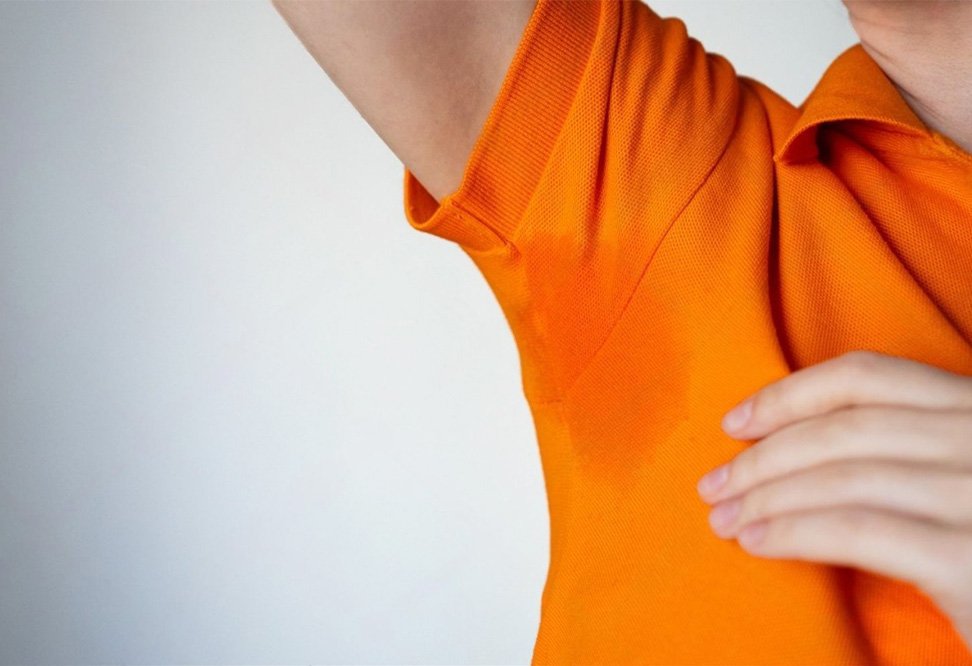
Sportswear, workwear and reusable institutional textiles are driving demand for finishes that suppress, capture or neutralise odour without compromising comfort or wash durability.
The global textile odour-control finishes market is forecast to expand from $1.12 billion in 2026 to $2.40 billion by 2036, representing compound annual growth of 7.9%, according to Future Market Insights.
The category includes antimicrobial treatments, cyclodextrin-based systems, activated minerals, carbon technologies and other chemistries applied to fibres, fabrics or finished textiles to reduce malodour during use.
Activewear leads adoption
Apparel fabrics are projected to generate 54% of market revenue in 2026, while sportswear accounts for 38% of applications.
The demand reflects a persistent problem in polyester- and polyamide-rich garments: synthetic fibres can retain sweat-derived compounds, allowing odour to remain even after washing. Brands therefore increasingly combine odour control with moisture management, quick drying and soil-release performance.
Antimicrobial finishes are expected to hold the largest technology share at 46%. These treatments reduce odour by limiting microbial activity, while non-biocidal alternatives may adsorb or trap volatile compounds instead.
Durability sets the specification
Wash-durable systems are forecast to account for 62% of the market in 2026. This is commercially important because odour-control claims must remain effective through repeated domestic or industrial laundering.
Mills must also ensure that treatments do not impair colour, breathability, moisture transport, hand feel or fabric strength. Suppliers increasingly compete through test data, mill-level application support and compatibility with different fibres and finishing recipes.
Healthcare, hospitality and workwear offer additional demand because reusable textiles are exposed to prolonged wear, frequent contact and intensive laundering.
Claims carry regulatory risk
Odour-control and antimicrobial claims require careful differentiation. In the United States, textiles treated with antimicrobial pesticides may qualify under the treated-articles framework only when claims relate to protecting the product itself. Broader public-health claims can trigger additional registration and efficacy requirements.
India is forecast to record the fastest national growth at 8.9% annually, followed by China at 8.6% and South Korea at 8%.
The next competitive test will be whether finish suppliers can provide durable performance with lower chemical loading and credible safety data. Market growth will favour systems backed by recognised testing, clear claim language and repeatable industrial application—not freshness claims alone.
